

In the bustling business landscape of Dallas, every square foot of warehouse space counts. For small warehouses, efficiently organizing and storing inventory can be the key to staying competitive and profitable. That’s where pallet racking solutions come into play.
Imagine transforming your cramped warehouse into a streamlined, organized, and easily navigable space that maximizes both storage capacity and operational efficiency. The right pallet racking system can help you achieve this, allowing you to make the most of your available space while keeping safety and accessibility in mind.
From selective racks to push-back systems, a variety of racking solutions are available to suit different needs and warehouse layouts. The idea is simple—optimize the vertical space without compromising the ease of access to your products. Stay with us as we explore the most effective pallet racking systems tailored for small warehouses in Dallas, empowering your business to grow and thrive in this dynamic market.
Choosing the Right Pallet Racking System for Your Small Warehouse
Selecting the perfect pallet racking system is the first step in maximizing your warehouse’s efficiency. Begin by evaluating your specific storage needs. Consider the types of products you stock, their sizes, and how often you need to access them. These factors will help you determine the best racking solution for your space.
For warehouses dealing with a high turnover of inventory, selective pallet racking might be ideal. This system provides easy access to every pallet, making it perfect for operations requiring frequent stock rotation. However, if your space is particularly tight and you need to store a lot of the same product, drive-in or drive-thru racking can significantly increase your storage density.
Consider the layout of your warehouse too. Narrow aisle racking systems are great for those keen on using vertical space without expanding the building’s footprint. They require specialized equipment for accessing higher shelves but allow for much denser storage configurations.
No matter what system you choose, prioritize flexibility. As your business grows, your storage needs will likely evolve. A modular racking system can adapt to these changes, saving you time and money in the long run.
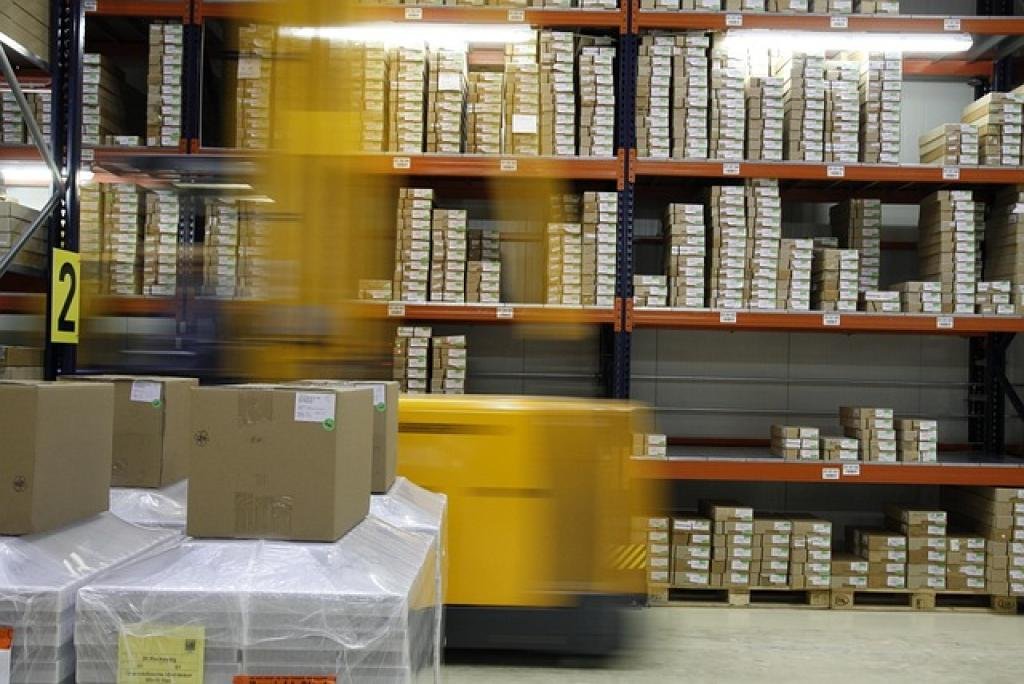
Key Factors to Consider in Maximizing Warehouse Space with Pallet Racking
When it comes to getting the most out of your small warehouse, strategic planning is key. Start by assessing your current inventory levels and future growth projections. Knowing these numbers helps in determining how much extra storage space you might need.
Next, think about the height of your warehouse ceiling. Utilizing vertical space is one of the most effective ways to increase storage capacity. By extending your racking systems upwards, you can multiply your usable space without expanding your floor area.
Efficient aisle configuration also plays a crucial role in space maximization. Narrowing the aisles can increase the overall storage area, but be sure to balance this with the need for accessible pathways and smooth movement of equipment.
Safety should always be top of mind. Make sure that your pallet racks are sturdy enough to handle the weight of your products and are anchored correctly. Conduct regular inspections to prevent potential hazards and ensure that all safety regulations are met.
Lastly, consider any technology or automation that could enhance your space utilization. Automated solutions can not only streamline operations but also help optimize the flow of goods within your warehouse.
Optimizing Pallet Racking Layout for Efficient Workflow
Designing your pallet racking layout with workflow in mind can drastically improve operational efficiency. Start by mapping out the flow of goods from the moment they arrive at your warehouse to when they are shipped out. This will help you identify bottlenecks and areas for improvement.
A smart layout ensures that frequently accessed items are stored in easily reachable locations. By organizing goods based on their pick frequency, you can minimize the time your staff spends retrieving products, thereby speeding up the order fulfillment process.
Designate clear zones for receiving, storage, and shipping. Having well-defined areas not only reduces confusion but also enhances the overall organization within the warehouse. These zones should be logically connected to facilitate a smooth transition from one operation to the next.
Consider aligning your racking layout with your existing equipment and workforce capabilities. This alignment ensures that your team can move through the space efficiently, increasing productivity.
Consistently evaluate and tweak your layout as needed to adapt to changing demands. Regular reviews can uncover inefficiencies that, once corrected, keep your warehouse agile and responsive in a dynamic business environment.
Utilizing Vertical Space: Tips for Vertical Storage Solutions
Making the most of your warehouse’s vertical space can be a game-changer, especially for smaller operations. To begin, evaluate the true ceiling height available and determine how much of that space can be practically used for storing goods.
Invest in pallet racking systems designed to maximize height efficiency. Select adjustable beams that allow you to customize the levels according to your specific storage requirements. This way, you can adapt the configuration as your inventory changes.
It’s crucial to ensure that your racking systems are stable and capable of supporting the additional weight that comes with utilizing vertical space. Regular maintenance and inspections are essential for maintaining safety standards, particularly at greater heights.
Consider utilizing forklifts or other equipment that can efficiently reach the upper levels of your racking system. Training your staff to operate such equipment safely is vital to preventing accidents and maintaining productivity.
Also, implementing a labeling system that is visible and easy to understand at height can dramatically reduce errors and speed up the picking process. With these strategies, exploiting vertical storage can enhance your warehouse capacity without compromising accessibility or safety.
Implementing Safety Measures in Pallet Racking Systems
Safety is not just a priority; it’s a necessity in warehouses. Proper safety measures prevent accidents, protect your workforce, and ensure smooth operations. Start by ensuring installation compliance with all local regulations and industry standards—this is the foundation for a safe working environment.
Conducting Regular Inspections
Routine inspections are vital. Check for structural damage, such as bent beams or loose bolts, and address these issues immediately. Consistent vigilance can catch potential hazards early, reducing risks and preventing costly interruptions.
Provide clear training for employees on safe loading and unloading techniques. Educating your team about weight capacities and distributing loads evenly across the racks can prevent accidents. Also, using proper signage to indicate weight limits and protective gear requirements adds another layer of safety.
Install safety features such as rack guards, netting, and aisle protectors. These act as physical barriers, preventing items from falling and ensuring that aisles remain clear for easy navigation.
Emergency Preparedness
Prepare for emergencies by having a well-communicated evacuation plan in place. Regular drills will ensure employees know how to react quickly and safely in the event of an incident. By establishing a culture of safety, you not only protect your inventory and equipment but also create a secure workplace for your team.
Integration of Technology in Pallet Racking Management
In the fast-paced world of warehousing, integrating technology into pallet racking management can significantly enhance efficiency and accuracy. Start by exploring warehouse management systems (WMS) that offer tools to track inventory levels and locations in real-time. This visibility helps streamline operations and reduces the risk of stockouts or overstocking.
Automated guided vehicles (AGVs) and drones can be valuable assets in optimizing your racking systems. These technologies can transport goods and conduct inventory checks, allowing your team to focus on more complex tasks, ultimately boosting productivity and reducing human error.
Implementing RFID tagging or barcode systems can further augment your inventory management. These technologies provide instantaneous data on product movement, enhancing visibility across the supply chain and improving decision-making.
Cloud-based management systems offer flexibility and remote access, enabling better coordination and communication within your team. With centralized data management, you can analyze trends, adjust strategies, and respond to changes swiftly.
By embracing technological advancements, you enhance your pallet racking management, leading to a more efficient and responsive warehouse environment. It’s this fusion of technology and traditional systems that creates smarter, more agile operations perfectly suited for the demands of Dallas’s small warehouse landscape.
Case Studies: Successful Pallet Racking Solutions for Small Warehouses
Exploring successful examples of pallet racking in small warehouses provides valuable insights into what works and why. Let’s dive into a couple of case studies that highlight effective strategies.
A Dallas-based e-commerce retailer faced challenges with rapid inventory turnover and limited space. By implementing a selective pallet racking system paired with a WMS, they optimized their storage and picking efficiency. The new setup allowed for faster order fulfillment and reduced the time products spent in the warehouse, leading to improved customer satisfaction and operational cost savings.
Another success story comes from a local specialty food distributor needing to maximize storage without moving to larger premises. They opted for a push-back racking system, which allowed them to store multiple pallets deep on each level. This strategic choice effectively multiplied their storage space within the existing footprint. The company also invested in RF scanning technology, enabling precise inventory management and minimizing the risk of stock discrepancies.
These case studies demonstrate that with the right racking solutions, even small warehouses can achieve remarkable efficiency. By analyzing these examples, you can draw inspiration and apply relevant strategies to your own operations, ensuring that your warehouse is ready to meet both current demands and future growth.
The Bottom Line: Enhancing Warehouse Efficiency with Smart Pallet Racking
At the heart of robust warehouse management lies smart pallet racking systems. For small warehouses in bustling cities like Dallas, where every square foot matters, optimizing these systems can significantly impact operational efficiency and productivity. By carefully selecting the right racking solution, you set the foundation for a well-organized, agile, and responsive warehouse environment.
Transitioning thoughtfully through each step—from assessing storage needs to integrating the latest technology—paves the way for a seamless operation. The key to triumph lies in combining traditional systems with innovative solutions, such as leveraging vertical space and implementing safety measures, to ensure both space maximization and worker protection.
Coupled with this, real-world case studies underline the profound benefits of strategic racking solutions. By learning from these successful implementations, companies can tailor strategies to suit their unique needs, enhancing overall efficiency without expanding their physical footprint.
In conclusion, investing in smart pallet racking systems isn’t just about solving immediate storage issues; it’s about setting your business up for sustainable growth. With precise planning and execution, even small warehouses can achieve significant gains, enabling them to compete in an increasingly dynamic market. As your business evolves, these systems can adapt, supporting your journey towards a more streamlined, cost-effective future. Embrace these changes today, and you’ll be ready for whatever tomorrow brings.