

Effective storage is the backbone of a well-organized supply chain, ensuring smooth inventory management and efficient order fulfillment. Whether managing a small storage facility or a large distribution center, implementing strategic storage solutions can significantly improve productivity and reduce costs.
Maximizing storage space is crucial for businesses to stay competitive. By utilizing metal shelving units and optimizing storage capacity, companies can enhance customer satisfaction and drive growth.
Key Takeaways
- Efficient storage solutions improve inventory management and order fulfillment.
- Strategic storage can significantly reduce costs and improve productivity.
- Maximizing storage space is crucial for businesses to stay competitive.
- Utilizing metal shelving units can optimize storage capacity.
- Effective storage solutions can enhance customer satisfaction and drive growth.
Understanding Warehouse Shelving Systems
In the world of warehousing, shelving systems play a pivotal role in maintaining order and efficiency. Warehouse shelving systems are designed to maximize storage capacity, streamline inventory management, and improve overall operational productivity.
What Are Warehouse Shelving Systems?
Warehouse shelving systems are structures designed to store products and inventory in a warehouse or distribution center. These systems come in various configurations, including adjustable metal shelving and heavy duty shelving rack, to accommodate different types of goods and storage needs.
Benefits of Using Shelving Systems
The implementation of shelving systems in warehouses offers numerous benefits, including:
- Maximized storage capacity
- Improved inventory management
- Enhanced operational efficiency
- Better organization and accessibility of goods
By utilizing commercial metal shelves, warehouses can significantly improve their storage capabilities and workflow.
Types of Shelving Systems Available
Different types of warehouse storage systems cater to various business needs. The choice of shelving system depends on factors like inventory volume, turnover rate, and available space. Common types include:
| Type of Shelving System | Description | Application |
|---|---|---|
| Pallet Racking Systems | High-capacity storage for palletized goods | Ideal for heavy-duty storage needs |
| Shelving Systems | Flexible storage solutions for various goods | Suitable for warehouses with diverse inventory |
| Cantilever Racking | Specialized storage for long or irregular items | Used for storing lumber, pipes, or other long goods |
Understanding the different types of shelving systems available is crucial for selecting the most appropriate solution for your warehouse needs.
Key Features to Look for in Shelving Systems
Selecting the ideal shelving system for your warehouse involves considering several critical factors. A well-designed shelving system can significantly enhance your warehouse’s storage capacity and operational efficiency.
Load Capacity and Durability
The load capacity of a shelving system is a crucial consideration. It’s essential to assess the weight of the items you plan to store and choose a shelving system that can handle that load. Steel shelving systems are known for their durability and high load capacity, making them a popular choice for warehouses.
Durability is another key factor. A durable shelving system can withstand the rigors of daily use and last for many years. Look for systems made from high-quality materials that are resistant to damage and corrosion.
Material Options for Shelving
The material used for your shelving system can significantly impact its performance and longevity. Common materials include steel, wood, and plastic. Steel shelving systems are particularly popular due to their strength and durability.
| Material | Load Capacity | Durability |
|---|---|---|
| Steel | High | High |
| Wood | Medium | Medium |
| Plastic | Low | Low |
Customization Possibilities
Customization is vital to ensure that your shelving system meets your specific needs. Consider whether you need adjustable shelves, special compartments, or other custom features. Warehouse shelving units that offer customization options can help you maximize your storage space.
For instance, if you store large or irregularly shaped items, you may require a shelving system with adjustable heights or specialized storage solutions. Garage metal shelving systems often offer such flexibility.
By focusing on load capacity, material options, and customization possibilities, you can select a shelving system that enhances your warehouse’s efficiency and storage capacity.
Choosing the Right Shelving System for Your Warehouse
The right metal shelving for storage can transform your warehouse’s productivity and streamline your logistics processes. Selecting an appropriate shelving system is crucial for maximizing storage capacity and ensuring a smooth workflow.
Assessing Storage Needs
To choose the ideal shelving system, you first need to assess your warehouse’s storage needs. This involves evaluating the types of products you store, their volume, and how frequently they are accessed. Understanding these factors helps in determining the most suitable shelving configuration.
For instance, if you store a variety of products with different sizes and weights, you may require a versatile shelving system that can accommodate various storage needs. SSI SCHAEFER’s experts can help optimize logistics processes and implement scalable solutions that can be adapted to future processes.
Space Considerations
Another critical factor is the available space in your warehouse. You need to consider the floor plan and how to maximize the use of vertical space. Metal shelving solutions can be customized to fit your warehouse’s dimensions, ensuring that you make the most of your storage area.
Effective space planning also involves considering the aisles and pathways for movement. A well-designed shelving system should facilitate easy access to stored products while minimizing the space used for aisles.
Understanding Workflow Requirements
Understanding your warehouse’s workflow requirements is essential for selecting a shelving system that enhances operational efficiency. This includes analyzing how products are received, stored, and shipped. A shelving system that aligns with your workflow can significantly improve productivity.
For example, if your warehouse handles a high volume of orders, a shelving system that allows for quick and easy access to products can reduce processing times. By optimizing your shelving system to match your workflow, you can achieve a more streamlined and efficient operation.
Popular Types of Warehouse Shelving Systems
Industrial storage shelves are a crucial component of any warehouse, and there are several types to choose from. The choice of shelving system can significantly impact the efficiency and productivity of warehouse operations.
Boltless Shelving
Boltless shelving is a popular choice for warehouses due to its ease of installation and flexibility. Adjustable metal shelving is a characteristic of boltless systems, allowing for customization based on the stored items’ size and weight. This type of shelving is ideal for storing lighter loads and can be easily reconfigured as storage needs change.
- EASY TO INSTALL
- ADJUSTABLE
- VERSATILE
Pallet Racking Systems
Pallet racking systems are designed for storing heavier loads, typically on pallets. These systems are highly efficient for warehouses that handle large quantities of goods. They come in various configurations, including selective, drive-in, and push-back racking, to accommodate different storage and retrieval needs.
“Pallet racking is a cornerstone of modern warehouse storage, enabling the efficient storage and retrieval of palletized goods.”
Cantilever Shelving
Cantilever shelving is particularly useful for storing long or bulky items such as lumber, pipes, or furniture. This type of shelving features arms that extend from a central column, providing unobstructed storage for items of varying lengths. It’s an excellent choice for warehouses that need to store irregularly shaped items.
In conclusion, the choice of warehouse shelving system depends on the specific needs of the warehouse, including the type of items stored, the available space, and the workflow requirements. By selecting the right type of shelving, warehouses can improve their storage capacity, efficiency, and overall productivity.
Installation Tips for Warehouse Shelving Systems
The installation of heavy-duty shelving racks is a critical process that directly impacts the efficiency and safety of warehouse operations. A well-installed shelving system not only maximizes storage capacity but also ensures a safe working environment for employees.
Preparing Your Warehouse Space
Before installing your warehouse shelving system, it’s essential to prepare your warehouse space. This involves clearing the area of any debris, checking for any damage to the floor, and ensuring that the space is level. Proper preparation helps prevent any complications during the installation process.
Here’s a checklist to prepare your warehouse space:
- Clear the area of debris and obstructions
- Inspect the floor for damage or unevenness
- Ensure the space is level and plumb
Safety Precautions During Installation
Safety should be a top priority during the installation of commercial metal shelves. Workers should wear appropriate personal protective equipment (PPE), including hard hats and gloves. It’s also crucial to follow the manufacturer’s instructions for assembly and installation.
Key safety precautions include:
- Wearing PPE such as hard hats and gloves
- Following manufacturer’s instructions
- Ensuring the stability of the shelving units during installation
Maintenance and Inspections
Regular maintenance and inspections are vital to extending the lifespan of your shelving system and ensuring it remains safe and functional. This includes checking for damage, tightening loose bolts, and ensuring that the shelving units remain level.
| Maintenance Task | Frequency | Importance |
|---|---|---|
| Inspect for damage | Monthly | High |
| Tighten loose bolts | Quarterly | Medium |
| Check levelness | Bi-Annually | High |
By following these installation tips and maintaining your warehouse shelving system, you can ensure a safe, efficient, and productive warehouse environment.
Enhancing Efficiency with Shelving Systems
Warehouse shelving units are more than just storage solutions; they are key to optimizing space and improving workflow. By implementing the right shelving system, businesses can significantly enhance their operational efficiency.
Optimizing Space for Easy Access
One of the primary benefits of a well-designed shelving system is the optimization of space for easy access. This involves strategically placing shelving units to facilitate quick and efficient retrieval of stored items. Steel shelving systems are particularly effective in this regard due to their durability and flexibility.
To optimize space, consider the following:
- Assess your warehouse layout to identify areas where shelving can be maximized.
- Choose shelving units that are adjustable and can accommodate items of various sizes.
- Implement a labeling system to ensure easy identification of stored items.
Incorporating Technology into Shelving
The integration of technology into shelving systems is revolutionizing warehouse management. Modern shelving systems can be equipped with digital tools such as inventory tracking software, enabling real-time stock visibility and more efficient inventory management.
For instance, BeeWaTec’s modular storage solutions can be integrated with digital systems to improve inventory tracking. This not only enhances efficiency but also reduces the likelihood of stock discrepancies.
Best Practices for Shelf Organization
Effective shelf organization is crucial for maintaining a efficient warehouse. Here are some best practices to follow:
| Practice | Description | Benefit |
|---|---|---|
| Zone Picking | Divide the warehouse into zones, each with designated shelving. | Reduces picking time and improves efficiency. |
| First-In-First-Out (FIFO) | Organize inventory so that the oldest stock is accessed first. | Minimizes inventory obsolescence and reduces waste. |
| Labeling | Clearly label all shelving units and inventory. | Enhances inventory visibility and simplifies stock management. |
By implementing these strategies and leveraging the benefits of advanced shelving systems, businesses can significantly enhance their warehouse efficiency.
“The right shelving system can transform a warehouse, making it more efficient, organized, and productive.”
Cost Considerations for Warehouse Shelving Systems
The total cost of ownership for warehouse shelving systems encompasses more than just the initial purchase price. It’s essential to consider various factors that impact the overall cost and return on investment (ROI) of these systems.
Budgeting for Initial Investment
When budgeting for warehouse shelving systems, the initial investment includes the cost of the shelving units, installation, and any necessary accessories. Garage metal shelving and metal shelving for storage are popular options that offer durability and flexibility. Businesses should assess their storage needs and choose a shelving system that meets their requirements without exceeding their budget.
To create an effective budget, consider the following costs:
- The cost of shelving units and materials
- Installation costs, including labor and equipment
- Accessories such as bins, baskets, and labels
- Maintenance and repair costs over time
Long-Term Savings and ROI
While the initial investment in warehouse shelving systems is important, it’s equally crucial to consider the long-term savings and ROI. Efficient shelving systems can help reduce labor costs by improving inventory management and minimizing the time spent searching for items. Additionally, a well-organized warehouse can lead to reduced costs associated with damaged goods and inventory shrinkage.
| Cost Factor | Initial Investment | Long-Term Savings |
|---|---|---|
| Shelving Units | $10,000 | $2,000 (reduced labor costs) |
| Installation | $2,000 | $1,000 (reduced maintenance) |
| Accessories | $1,000 | $500 (improved inventory management) |
Financing Options Available
For businesses that may not have the upfront capital to invest in warehouse shelving systems, financing options are available. Many suppliers offer financing plans that allow businesses to pay for their shelving systems over time. This can help businesses acquire the storage solutions they need without straining their cash flow.
By understanding the total cost of ownership and exploring financing options, businesses can make informed decisions about their warehouse shelving systems. This enables them to maximize their storage capacity while minimizing costs.
Case Studies: Successful Implementations
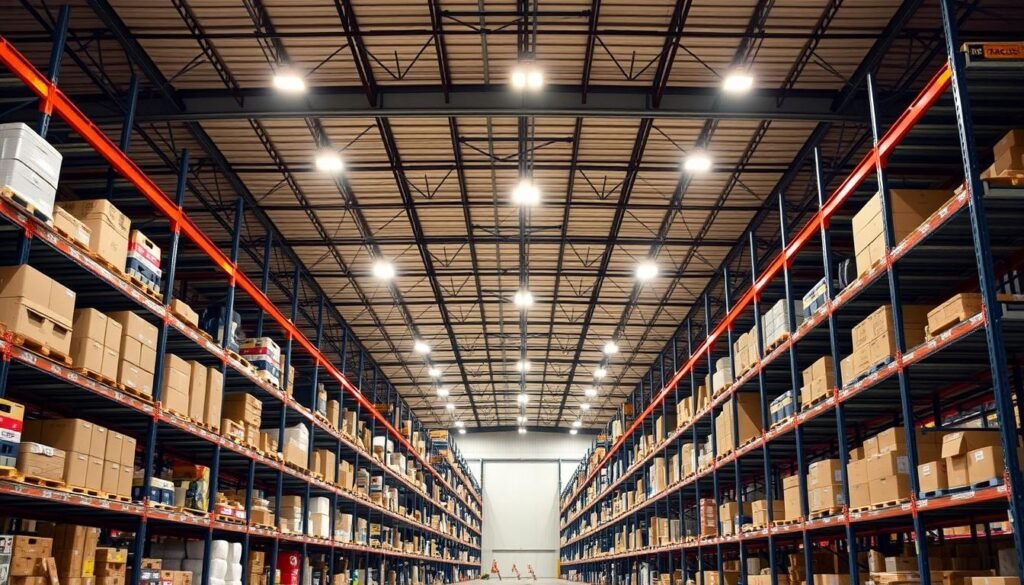
Real-world examples demonstrate that well-designed shelving systems are essential for maximizing warehouse storage potential. Companies that have implemented metal shelving solutions and industrial storage shelves have seen significant improvements in their operational efficiency.
Examples of Efficient Storage Solutions
Several businesses have successfully integrated shelving systems into their warehouse operations. For instance, a leading logistics company implemented a customized metal shelving solution that increased their storage capacity by 30%. This upgrade not only enhanced their storage capabilities but also streamlined their inventory management process.
Another example is a manufacturing firm that adopted industrial storage shelves designed to handle heavy loads. This implementation allowed them to organize their raw materials more effectively, reducing the time spent on material handling by 25%.
“The right shelving system can transform your warehouse operations, making it more efficient and cost-effective.”
Lessons Learned from Real-World Applications
From these case studies, several key lessons emerge:
- Assessing specific storage needs is crucial before selecting a shelving system.
- Customization is key to maximizing the benefits of shelving systems.
- Regular maintenance of shelving systems is essential to ensure longevity and safety.
By understanding these lessons, businesses can make informed decisions when implementing metal shelving solutions and industrial storage shelves, ultimately enhancing their warehouse operations.
The Future of Warehouse Shelving Systems
The warehouse shelving industry is on the cusp of a revolution, driven by trends such as automation and a focus on sustainability. As warehouses continue to evolve, the need for efficient, adaptable storage solutions becomes increasingly important.
Emerging Trends
One of the key trends shaping the future of warehouse shelving systems is the adoption of automation. This includes the use of adjustable metal shelving and heavy duty shelving rack systems that can be easily integrated with automated storage and retrieval systems.
Innovative Materials and Designs
Innovations in materials and design are also playing a crucial role in the development of warehouse shelving systems. Companies are exploring new materials and designs that offer improved durability and flexibility, such as modular shelving systems.
Sustainable Solutions
Sustainability is becoming a key consideration in the design and implementation of warehouse shelving systems. Companies like BeeWaTec and SSI SCHAEFER are at the forefront of this movement, offering solutions that minimize environmental impact while maximizing storage efficiency.