

Whether you’re a new startup or a well-established business, having the right business storage options can be a game-changer. Businesses across the country are reaping the benefits of using commercial storage to manage their inventory, equipment, and documents.
By choosing the right storage solutions, businesses can free up valuable space, improve organization, and increase productivity. When selecting a storage unit, it’s essential to consider factors such as security, accessibility, and flexibility.
Key Takeaways
- Effective business storage options can enhance operational efficiency.
- Commercial storage solutions provide secure and accessible storage for businesses.
- Choosing the right storage unit can improve organization and productivity.
- Businesses should consider security, accessibility, and flexibility when selecting a storage unit.
- Commercial storage can help businesses free up valuable space.
Understanding Commercial Storage Solutions
In today’s fast-paced business environment, understanding commercial storage solutions is crucial for companies aiming to streamline their operations. Commercial storage solutions provide businesses with the flexibility to manage their inventory effectively, reduce clutter, and promote growth.
What Are Commercial Storage Solutions?
Commercial storage solutions refer to the various methods and facilities used by businesses to store their goods, equipment, and supplies. These solutions range from industrial storage facilities to warehouse storage systems, designed to meet the diverse needs of businesses. Whether you’re storing inventory, office supplies, or equipment, having the right storage solution is essential for maintaining an organized and efficient operation.
Benefits of Using Commercial Storage
The benefits of using commercial storage solutions are numerous. By utilizing these solutions, businesses can:
- Improve inventory management by keeping track of stock levels and locations.
- Reduce clutter in their commercial spaces, creating a more productive work environment.
- Enhance security for their goods and equipment through advanced security features.
- Facilitate business growth by having the flexibility to scale storage needs up or down.
According to industry experts, “Effective storage solutions can significantly impact a business’s bottom line by reducing costs associated with inventory management and improving operational efficiency.”
“The right storage solution can transform the way you do business, allowing you to focus on growth rather than inventory management.”
| Benefits | Description |
|---|---|
| Improved Inventory Management | Efficiently track and manage stock levels. |
| Reduced Clutter | Create a more organized and productive workspace. |
| Enhanced Security | Protect goods and equipment with advanced security features. |
By understanding and leveraging commercial storage solutions, businesses can reap these benefits and more, ultimately contributing to their overall success and competitiveness in the market.
Types of Commercial Storage Options
The world of commercial storage is vast, offering multiple options for businesses to securely store their assets. Understanding the different types of storage available is crucial for making an informed decision that aligns with your business needs.
Indoor vs. Outdoor Storage
When deciding on commercial storage, one of the primary considerations is whether to opt for indoor or outdoor storage. Indoor storage provides a climate-controlled environment, protecting goods from extreme weather conditions. This is particularly beneficial for storing sensitive equipment or inventory.
Outdoor storage, on the other hand, is ideal for bulky items or equipment that can withstand various weather conditions. It’s often more cost-effective and can be a practical solution for businesses with outdoor equipment or large inventory.
Pallet Racking Systems
Pallet racking systems are a popular choice for commercial storage, especially for businesses with a large inventory. These systems allow for efficient storage and easy access to goods, maximizing warehouse space.
“Pallet racking is a game-changer for businesses looking to optimize their storage capacity. It’s about making the most of your space.” – Storage Expert
The benefits of pallet racking systems include improved inventory management and reduced labor costs. They come in various configurations, such as selective, drive-in, and push-back racking, catering to different business needs.
Climate-Controlled Storage Units
For businesses storing sensitive or high-value items, climate-controlled storage units offer an added layer of protection. These units maintain a consistent temperature, safeguarding against damage from extreme heat or cold.
Climate-controlled storage is particularly useful for industries such as pharmaceuticals, electronics, and art storage. It ensures that stored items remain in pristine condition, regardless of external weather conditions.
| Storage Type | Key Features | Ideal Use |
|---|---|---|
| Indoor Storage | Climate-controlled, secure | Sensitive equipment, inventory |
| Outdoor Storage | Cost-effective, suitable for bulky items | Outdoor equipment, large inventory |
| Pallet Racking Systems | Efficient, maximizes space | Large inventory, warehouse storage |
| Climate-Controlled Storage | Consistent temperature, high security | Pharmaceuticals, electronics, art |
Choosing the Right Size for Your Storage Needs
The right storage size can significantly impact your business operations, making it essential to choose wisely. To determine the ideal storage unit for your business, you need to assess your inventory and understand the different storage options available.
Assessing Your Inventory
Before selecting a storage unit, it’s crucial to take stock of your inventory. This involves categorizing your items, estimating their volume, and considering their storage requirements. Reliable storage solutions start with a thorough inventory assessment.
- List all items that need storage, including equipment, supplies, and inventory.
- Measure the volume of each item or category of items.
- Consider the storage conditions required for different items, such as climate control.
Common Storage Unit Sizes
Storage units come in various sizes to accommodate different business needs. Understanding these sizes can help you make an informed decision when selecting a professional storage service.
| Storage Unit Size | Approximate Square Footage | Typical Use |
|---|---|---|
| Small | 5×5 to 5×10 | Ideal for storing small items, files, or a few boxes. |
| Medium | 10×10 to 10×15 | Suitable for storing the contents of a one or two-bedroom apartment. |
| Large | 10×20 to 15×20 | Perfect for businesses needing to store significant inventory or equipment. |
By assessing your inventory and understanding the available storage unit sizes, you can choose a storage solution that meets your business needs, ensuring that you have reliable storage solutions in place.
Security Features in Commercial Storage
Secure commercial storage facilities are designed with multiple layers of protection to safeguard businesses’ valuable assets. The importance of robust security measures cannot be overstated, as they provide peace of mind and protect against potential losses.
Access Control Systems
One of the critical security features to look for in a commercial storage company is an advanced access control system. These systems ensure that only authorized personnel can enter the facility or access specific storage units.
Key benefits of access control systems include:
- Restricted access to authorized individuals
- Detailed logs of entry and exit times
- Integration with other security systems
Video Surveillance Options
Video surveillance is another vital security feature that can deter potential intruders and provide valuable evidence in case of a security breach. Modern commercial storage facilities often employ high-resolution CCTV cameras with night vision capabilities.
The effectiveness of video surveillance depends on factors such as camera placement, resolution, and monitoring.
Unit Alarms and Security Fencing
In addition to access control and video surveillance, many commercial storage companies offer unit alarms that alert staff to potential security breaches. Security fencing around the perimeter of the facility provides an additional layer of protection.
| Security Feature | Description | Benefit |
|---|---|---|
| Access Control Systems | Restrict access to authorized personnel | Enhanced security and accountability |
| Video Surveillance | Monitor facility 24/7 | Deterrent to potential intruders and evidence in case of breach |
| Unit Alarms | Alert staff to potential security breaches | Rapid response to security incidents |
By choosing a commercial storage facility with robust security features, businesses can ensure their assets are well-protected. When evaluating potential storage providers, it’s essential to inquire about their security measures and protocols.
Cost Factors for Commercial Storage
Businesses seeking commercial storage must consider various cost factors to budget effectively. The expenses associated with storing goods or inventory can significantly impact a company’s bottom line. Therefore, understanding the different pricing models and potential hidden costs is crucial for making informed decisions about commercial storage solutions.
Pricing Models: Monthly vs. Annual Rates
Commercial storage facilities often offer different pricing models to accommodate various business needs. The two most common pricing structures are monthly and annual rates. Monthly rates provide flexibility, allowing businesses to adjust their storage needs as required. This can be particularly beneficial for companies with fluctuating inventory levels.
Annual rates, on the other hand, can offer cost savings for businesses that have consistent, long-term storage needs. By committing to a year-long contract, companies may be able to negotiate a lower rate per square foot. However, it’s essential to carefully consider storage needs before opting for an annual contract to avoid being locked into a costly agreement.
Hidden Costs to Consider
Beyond the basic rental fee, several hidden costs can arise when using commercial storage. These may include fees for insurance coverage, access after hours, or additional security measures. Some storage facilities might also charge for services like inventory management or handling.
- Insurance fees to protect against loss or damage
- Access fees for retrieving stored items outside regular hours
- Security measures, such as alarms or surveillance systems
- Handling fees for loading or unloading stored goods
To avoid unexpected expenses, businesses should thoroughly review their storage contract and ask about any potential additional costs. By understanding all the cost factors involved, companies can better manage their storage expenses and choose the most cost-effective commercial storage solutions.
Flexibility and Scalability of Storage Solutions
In today’s fast-paced business environment, having flexible and scalable storage solutions is more important than ever. As businesses grow or experience fluctuations in inventory, their storage needs change. This is where the flexibility of commercial storage comes into play, allowing businesses to adapt quickly to new demands.
Short-Term vs. Long-Term Storage
Understanding the difference between short-term and long-term storage options is crucial for businesses. Short-term storage is ideal for temporary needs, such as during a move or peak season, while long-term storage suits ongoing storage requirements. Many storage facilities offer month-to-month leasing, providing the flexibility to adjust storage space as needed.
| Storage Type | Ideal Use | Flexibility |
|---|---|---|
| Short-Term | Temporary needs, peak seasons | High |
| Long-Term | Ongoing storage needs | Variable |
Expanding Storage Options
As businesses grow, so do their storage needs. It’s essential to choose a storage provider that can scale with your business. Many industrial storage facilities offer the ability to expand storage options, whether it’s moving to a larger unit or adding additional storage spaces. This scalability ensures that businesses are not constrained by their storage solutions.
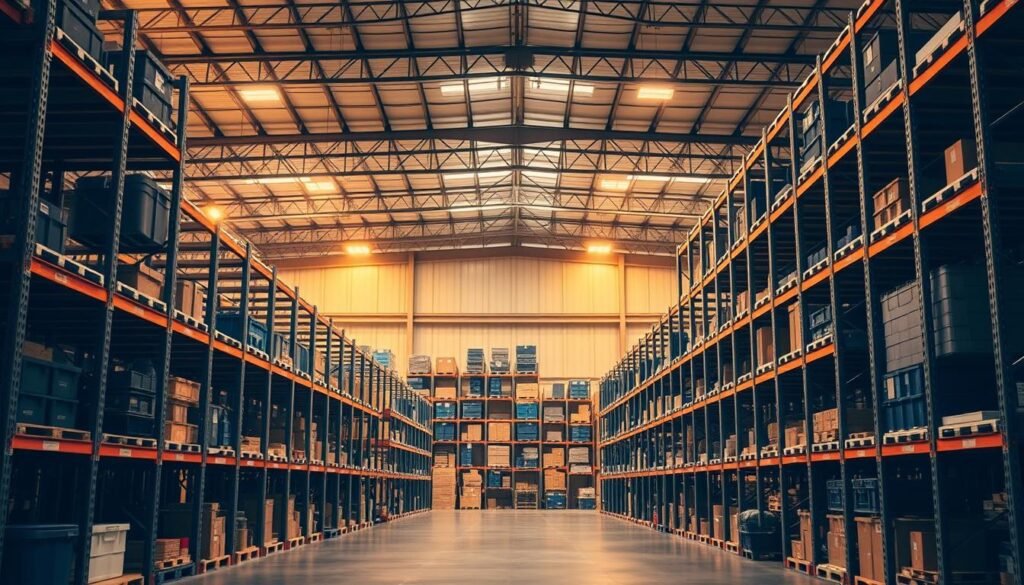
By opting for a storage solution that offers flexibility and scalability, businesses can better manage their inventory and respond to changes in demand. Whether it’s through short-term or long-term storage options, having the right warehouse storage systems in place is key to operational efficiency.
Location Considerations for Storage Facilities
When selecting a commercial storage facility, the location is a critical factor that can significantly impact your business operations. A strategically located storage facility can enhance your business’s efficiency and productivity.
Proximity to Your Business
One of the key considerations is the proximity of the storage facility to your business. Being close to your business can save time and resources by reducing the distance your employees or delivery vehicles need to travel to access stored items. As emphasized by a leading expert, “The closer the storage facility is to your operational hub, the more streamlined your logistics will be.”
A nearby storage facility also enhances security and reduces the risk associated with transporting valuable or sensitive items over long distances. It allows for more flexible and frequent access, which can be crucial for businesses with fluctuating inventory levels.
Accessibility and Transportation Links
Another crucial aspect is the accessibility of the storage facility and its connection to major transportation links. A facility that is easily accessible by road, rail, or even air can significantly reduce transportation costs and enhance the overall efficiency of your supply chain.
Professional storage services understand the importance of location and often provide facilities that are well-connected to major highways or transportation hubs. This connectivity is vital for businesses that rely on just-in-time delivery or have complex distribution networks.
“The location of a storage facility can make or break the efficiency of a business’s logistical operations. It’s not just about storing goods; it’s about strategic business planning.” – Industry Expert
In conclusion, when evaluating potential storage facilities, businesses should prioritize locations that offer a balance of proximity, accessibility, and connectivity to transportation links. By doing so, they can ensure that their commercial storage units support their operational needs and contribute to their overall success.
How to Evaluate Storage Providers
When it comes to storing your business assets, choosing a reliable storage provider is paramount. A good storage provider can make a significant difference in the security and accessibility of your inventory.
Key Questions to Ask Storage Companies
Before selecting a commercial storage company, it’s crucial to ask the right questions. Here are some key inquiries to make:
- What security measures are in place to protect my inventory?
- How is the storage facility monitored?
- What are the access hours and procedures?
- Can I scale my storage needs up or down as required?
- What is the pricing structure, and are there any additional fees?
| Feature | Basic Plan | Premium Plan |
|---|---|---|
| Security Features | Standard Surveillance | Advanced Surveillance + On-site Security |
| Access Hours | 9 AM – 5 PM | 24/7 Access |
| Scalability | Fixed Size | Flexible Size Options |
Reading Customer Reviews
One of the most effective ways to gauge the reliability of a storage provider is by reading customer reviews. Look for feedback on the company’s website, as well as on independent review platforms.
“The customer service at XYZ Storage Solutions was top-notch. They were very accommodating and helped us find the perfect storage unit for our needs.” – ABC Corporation
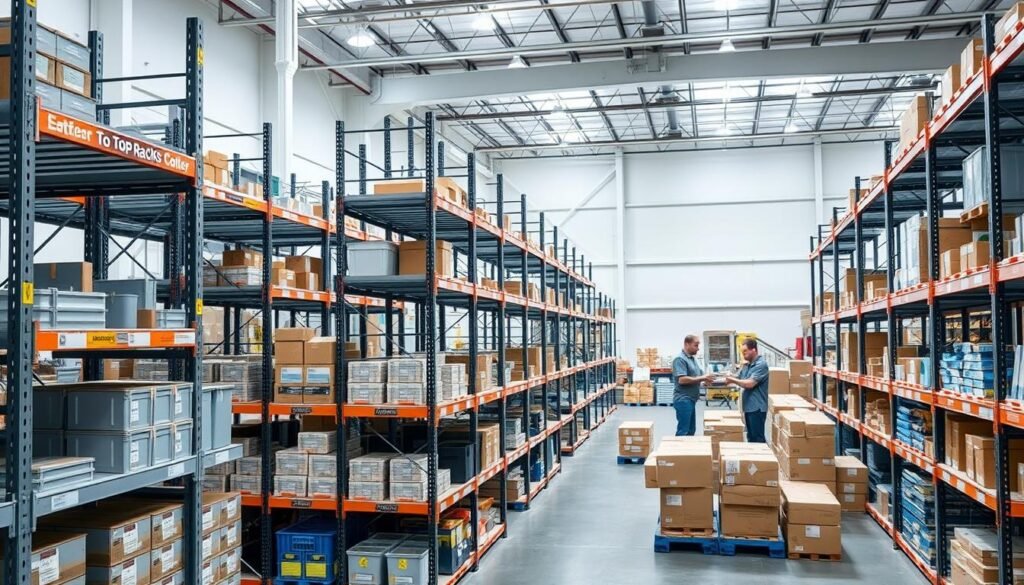
By carefully evaluating potential storage providers and considering factors such as security, pricing, and customer reviews, businesses can make informed decisions that meet their storage needs effectively.
Innovative Storage Technologies
Embracing innovative storage technologies can be a game-changer for businesses looking to optimize their storage operations. The commercial storage industry is rapidly evolving, driven by advancements in technology that enhance efficiency, security, and flexibility.
Smart Storage Solutions are at the forefront of this evolution. These solutions leverage automation, IoT devices, and data analytics to streamline storage operations. For instance, smart shelving systems can track inventory levels in real-time, reducing the likelihood of stockouts and overstocking. By integrating such technologies, businesses can significantly improve their operational efficiency.
Smart Storage Solutions
Smart storage solutions are designed to make storage operations more efficient and manageable. Key features include:
- Real-time inventory tracking
- Automated storage and retrieval systems
- Data analytics for optimized storage usage
By adopting these technologies, businesses can enjoy improved inventory management, reduced labor costs, and enhanced security. For example, a company utilizing smart storage solutions can monitor their inventory levels remotely, ensuring that they are always aware of their stock status.
Mobile and Modular Storage Options
Another significant innovation in commercial storage is the development of mobile and modular storage options. These solutions offer flexibility and scalability, allowing businesses to adapt their storage capacity to meet changing demands.
| Feature | Mobile Storage | Modular Storage |
|---|---|---|
| Flexibility | High | High |
| Scalability | Easy to expand | Easy to reconfigure |
| Cost-Effectiveness | Reduces need for permanent storage | Optimizes existing storage space |
For businesses looking to implement innovative storage solutions, it’s essential to explore options available in their region. For instance, companies in Dallas can find a range of warehouse storage solutions that incorporate the latest technologies.
In conclusion, innovative storage technologies are transforming the commercial storage landscape. By embracing smart storage solutions and mobile and modular storage options, businesses can enhance their operational efficiency, security, and flexibility.
Best Practices for Organizing Your Storage Space
To get the most out of your business storage options, it’s essential to implement effective storage organization practices. A well-organized storage space not only enhances efficiency but also ensures that you can easily locate and retrieve stored items when needed.
Inventory Management Techniques
Effective inventory management is the cornerstone of a well-organized storage space. It involves regularly tracking and updating your inventory to reflect the current stock levels. This can be achieved through:
- Implementing an inventory management system that suits your business needs.
- Conducting regular audits to ensure accuracy.
- Using labels and barcodes to track items efficiently.
By adopting these techniques, businesses can significantly reduce the time spent searching for items, thus improving overall productivity.
Effective Labeling and Categorization
Labeling and categorization are critical components of an organized storage system. Proper labeling ensures that items can be easily identified, while categorization helps in grouping similar items together. Here are some tips:
- Use clear and descriptive labels that are easy to read.
- Categorize items based on their type, frequency of use, or other relevant criteria.
- Ensure that the labeling system is consistent throughout the storage facility.
By implementing these strategies, businesses can enhance their warehouse storage systems, making it easier to manage inventory and retrieve items as needed.
Benefits of Organized Storage
An organized storage space offers numerous benefits, including improved efficiency, reduced costs, and enhanced security. By optimizing your storage, you can:
- Reduce search times and improve productivity.
- Minimize the risk of inventory becoming obsolete or damaged.
- Enhance the overall security of your stored items.
“A well-organized storage facility is not just a necessity; it’s a strategic advantage for any business.”
Future Trends in Commercial Storage
The commercial storage industry is on the cusp of a revolution, driven by the need for sustainability and technological advancements. As businesses continue to seek secure commercial storage solutions, the demand for innovative and eco-friendly storage options is expected to grow.
Eco-Friendly Storage Solutions
Sustainability is becoming a key consideration in commercial storage. Facilities are now incorporating green technologies, such as solar panels and energy-efficient lighting, to reduce their environmental footprint. This shift towards eco-friendly storage solutions not only benefits the environment but also helps businesses reduce their operational costs.
Advances in Automation
Technological advancements are transforming the commercial storage landscape. Automation and smart storage solutions are being integrated into commercial storage units, enabling businesses to efficiently manage their inventory and access their stored goods. These innovations are set to revolutionize the industry, providing a more streamlined and secure storage experience.
As the commercial storage industry continues to evolve, businesses must stay ahead of the curve by adopting these emerging trends. By leveraging secure commercial storage solutions that incorporate sustainability and technology, companies can optimize their storage operations and drive growth.