

Efficient storage and organization are crucial for businesses to thrive. Commercial shelving units play a vital role in maximizing storage capacity and streamlining operations in various business settings, including warehouses, retail stores, and offices.
Choosing the right professional shelving for businesses can significantly impact productivity and efficiency. By investing in suitable commercial storage shelves, businesses can ensure safe storage of items, enhance accessibility, and boost overall performance. For instance, businesses can explore options like pallet racks to maximize their storage potential.
Key Takeaways
- Maximize storage capacity with suitable shelving solutions.
- Enhance organizational efficiency with streamlined storage.
- Improve productivity by ensuring safe and accessible storage.
- Boost business performance with optimized storage systems.
- Explore options like pallet racks to maximize storage potential.
1. What Are Commercial Shelving Units?
The versatility of commercial shelving units makes them an indispensable asset across different sectors, from manufacturing to retail. These units are designed to provide efficient storage solutions, helping businesses to organize their inventory, supplies, and equipment effectively.
1.1 Definition and Features
Commercial shelving units are storage systems designed for commercial use, characterized by their durability, adjustability, and capacity to hold substantial weights. They come in various sizes and configurations, including industrial shelving for heavy-duty applications, warehouse shelving solutions for large storage needs, and retail storage racks for displaying products in stores.
These shelving units often feature adjustable shelves, allowing businesses to customize the storage space according to their needs. The materials used in their construction, such as steel, wood, or plastic, contribute to their durability and versatility.
| Feature | Description | Benefit |
|---|---|---|
| Adjustable Shelves | Shelves can be moved up or down to accommodate items of different sizes. | Customizable storage, maximizing space utility. |
| Durable Construction | Made from high-quality materials like steel, wood, or plastic. | Long-lasting, withstanding heavy use and weight. |
| Variety of Sizes | Available in different dimensions to fit various spaces. | Flexible installation options, suitable for different environments. |
1.2 Typical Uses in Various Industries
Commercial shelving units are utilized across a range of industries, each with its specific storage requirements. In the retail sector, retail storage racks are used to display merchandise, making it easily accessible to customers. In warehouses and distribution centers, warehouse shelving solutions enable the efficient storage and retrieval of goods.
“The right shelving solution can transform a cluttered workspace into a highly organized and efficient operation.” – Industry Expert
In industrial settings, industrial shelving provides robust storage for heavy equipment, parts, and supplies. The adaptability of commercial shelving units makes them a valuable resource for businesses seeking to enhance their storage capabilities and streamline their operations.
2. Benefits of Using Commercial Shelving Units
By investing in commercial shelving units, businesses can experience a substantial improvement in their storage capacity, organization, and accessibility. Commercial shelving units are designed to provide a versatile and efficient storage solution that meets the diverse needs of various industries.
2.1 Increased Storage Capacity
One of the primary benefits of commercial shelving units is their ability to increase storage capacity. Heavy-duty shelving systems are particularly useful for storing heavy or bulky items, allowing businesses to maximize their storage potential. By utilizing vertical space, businesses can keep their floors clear and make the most of their available storage area.
Customizable shelving units also play a crucial role in enhancing storage capacity. Businesses can tailor their shelving units to meet specific needs, such as adjustable shelving for varying item sizes or specialized storage for sensitive equipment.
2.2 Improved Organization
Commercial shelving units contribute significantly to improved organization within a business. By providing a structured storage system, businesses can categorize and store items in a logical and accessible manner. This not only enhances the overall efficiency of operations but also reduces the time spent searching for specific items.
Customizable shelving units allow businesses to create a storage system that fits their unique needs, further improving organization. For instance, businesses can use shelving units with dividers or bins to store small parts or supplies, keeping them organized and within reach.
2.3 Enhanced Accessibility
Enhanced accessibility is another key benefit of commercial shelving units. By storing items in a structured and accessible manner, businesses can quickly retrieve what they need, reducing downtime and improving productivity. Heavy-duty shelving systems ensure that even the heaviest items are stored safely and are easily accessible.
Moreover, well-designed shelving units can improve workflow by placing frequently used items at eye level or near the point of use, streamlining operations and enhancing overall efficiency.
3. Types of Commercial Shelving Units
Commercial shelving units come in a variety of types, each designed to serve specific storage needs across different industries. The choice of shelving depends on the nature of the business, the type of items being stored, and the available space.
Industrial Shelving
Industrial shelving is designed for heavy-duty use, typically in manufacturing, construction, and other industrial settings. These shelving units are built to withstand heavy loads and are often made from durable materials like steel.
Key Features: High weight capacity, durable construction, and often customizable to fit specific storage needs.
Retail Shelving
Retail shelving is used in stores to display products attractively and accessibly. These units are designed to be visually appealing while also providing efficient storage for a wide range of retail products.
Benefits: Enhances product display, improves customer shopping experience, and maximizes retail space.
Warehouse Shelving
Warehouse shelving solutions are critical for maximizing storage in warehouse environments. These shelving systems are designed to optimize vertical space, improve inventory management, and facilitate easy access to stored goods.
Advantages: Increases storage capacity, improves inventory organization, and enhances operational efficiency.
Specialty Units
Specialty shelving units are designed for unique or specific storage needs that standard shelving cannot meet. Examples include shelving for oversized items, hazardous materials, or items requiring climate-controlled environments.
Features: Custom-designed, adaptable to specific storage requirements, and often incorporates specialized materials or safety features.
| Type of Shelving | Primary Use | Key Features |
|---|---|---|
| Industrial Shelving | Manufacturing, Construction | High weight capacity, durable |
| Retail Shelving | Retail Stores | Visually appealing, accessible |
| Warehouse Shelving | Warehouses | Maximizes vertical space, improves inventory management |
| Specialty Units | Unique or Specific Storage Needs | Custom-designed, specialized materials or safety features |
4. Material Choices for Commercial Shelving
Commercial shelving units are made from a variety of materials, each with its own set of advantages and disadvantages. The choice of material depends on the intended use, durability requirements, and aesthetic preferences.
4.1 Steel Shelving
Steel shelving is renowned for its durability and strength, making it an ideal choice for heavy-duty applications. It can withstand heavy loads and is often used in industrial and warehouse settings. Steel shelving is also resistant to damage from pests and can be easily cleaned.
https://www.youtube.com/watch?v=zGaf3c06OtM
4.2 Wood Shelving
Wood shelving offers a more traditional and aesthetically pleasing option. It can be stained or painted to match various decor styles, making it suitable for retail environments. However, wood shelving may not be as durable as steel and can be susceptible to damage from moisture.
Despite these limitations, wood shelving remains a popular choice due to its versatility and the warmth it brings to a space.
4.3 Plastic Shelving
Plastic shelving is another option that is lightweight, easy to clean, and resistant to corrosion. It is often used in environments where hygiene is a priority, such as in food processing or healthcare facilities. While plastic shelving may not be as robust as steel, it offers a cost-effective and flexible solution.
“The right material can make all the difference in the effectiveness and longevity of commercial shelving units.”
Ultimately, the choice of material for commercial shelving units depends on a careful consideration of the specific needs and constraints of the application. By selecting the appropriate material, businesses can maximize storage capacity, improve organization, and enhance overall operational efficiency.
5. Key Considerations When Selecting Shelving Units
Effective storage solutions start with the right commercial shelving units, making the selection process a crucial step. When selecting commercial shelving units, it’s crucial to consider factors such as weight capacity, size, and customization options to ensure the chosen shelving meets the specific storage needs.
Weight Capacity
One of the primary considerations is the weight capacity of the shelving units. It’s essential to assess the types of items that will be stored and their total weight to choose shelving that can safely support the load. Professional shelving for businesses is designed to handle heavy loads, but it’s vital to verify the specifications.
| Shelving Type | Weight Capacity | Typical Use |
|---|---|---|
| Industrial Shelving | Up to 5000 lbs | Heavy-duty storage in warehouses and factories |
| Retail Shelving | Up to 2000 lbs | Displaying merchandise in retail environments |
Size and Dimensions
The size and dimensions of the shelving units are also critical. The shelving should fit comfortably within the available space, taking into account any obstacles or limitations. Customizable shelving units can be tailored to fit specific dimensions, providing a perfect fit for unique storage challenges.
“The right shelving can transform your storage capabilities, enhancing both efficiency and safety.” – Storage Expert
Customization Options
Customization is a key factor for many businesses, as it allows for shelving units that meet specific needs. Whether it’s adjustable shelves, particular materials, or specific colors, customizable shelving units can significantly enhance the functionality and aesthetics of the storage solution.
By carefully considering weight capacity, size, and customization options, businesses can select commercial storage shelves that not only meet their current needs but are also adaptable for future requirements.
6. Installation and Setup Tips for Commercial Shelving
Heavy-duty shelving systems demand precise installation to guarantee stability and maximize storage capacity. Proper installation and setup of commercial shelving units are critical for ensuring safety and maximizing storage efficiency.
6.1 Preparation for Installation
Before installing your commercial shelving, it’s essential to prepare the site. This includes ensuring the floor is level, clear of debris, and capable of supporting the weight of the shelving unit and its contents. Always follow the manufacturer’s instructions for specific installation requirements.
- Check the floor’s weight capacity to avoid any potential collapse.
- Clear the area of any obstructions or hazards.
- Gather all necessary tools and hardware provided by the manufacturer.
6.2 Best Practices for Arrangement
Once installed, arranging your items on the shelving unit in an organized manner is crucial. Group similar items together and place heavier items on lower shelves to maintain stability. Ensure that the shelving unit is not overloaded, as this can lead to structural damage or collapse.
- Place frequently used items at eye level for easy access.
- Store less frequently used items on higher or lower shelves.
- Label each shelf to facilitate quick identification of contents.
6.3 Safety Guidelines
Safety should always be the top priority when installing and using commercial shelving. Ensure that all employees are trained on the proper use and loading of shelving units. Regularly inspect the shelving for any signs of wear or damage.
- Conduct regular inspections to identify any potential issues.
- Train staff on the safe loading and unloading procedures.
- Use safety equipment such as step stools or ladders when accessing high shelves.
By following these installation and setup tips, you can ensure that your commercial shelving units provide safe and efficient storage solutions for your business. Whether you’re using industrial shelving, warehouse shelving solutions, or heavy-duty shelving systems, proper installation is key to maximizing your storage capacity and maintaining a safe working environment.
7. Maintenance and Care of Commercial Shelving
To ensure commercial shelving remains in top condition, regular care is essential. Proper maintenance not only extends the lifespan of the shelving units but also ensures they remain safe and functional for daily use.
Regular Inspection
Regular inspection of commercial shelving units is critical to identify any potential issues before they become major problems. This includes checking for signs of wear and tear, such as rust, dents, or loose bolts. It’s also important to inspect the shelving’s weight capacity to ensure it’s not overloaded.
Inspection Checklist:
- Check for structural damage
- Verify the shelving is level and stable
- Ensure all bolts and screws are tightened
- Inspect for signs of rust or corrosion
Cleaning Procedures
Cleaning is a vital part of maintaining commercial shelving units. Dust and debris can accumulate on the shelves, potentially causing damage over time. The cleaning procedure should be gentle yet effective, using appropriate cleaning solutions that won’t damage the material of the shelving.
Cleaning Tips:
- Use a soft cloth or duster to remove dust
- Avoid harsh chemicals that can damage the shelving material
- For stubborn stains, use a mild detergent solution
Repairing Damage
Despite regular maintenance, damage can still occur. Knowing how to repair minor damages can save time and money. For more significant damage, it may be necessary to consult a professional.
| Type of Damage | Repair Action |
|---|---|
| Loose Bolts or Screws | Tighten them securely |
| Minor Rust Spots | Clean with a rust remover and apply a protective coating |
| Structural Damage | Consult a professional for repair or replacement |
By following these maintenance and care tips, businesses can ensure their commercial shelving units remain in excellent condition, providing safe and efficient storage solutions.
8. How to Maximize Space with Shelving Units
To optimize storage and organization, businesses must consider the strategic placement of shelving units. Maximizing space effectively can lead to increased productivity and a more streamlined operation.
Vertical vs. Horizontal Storage
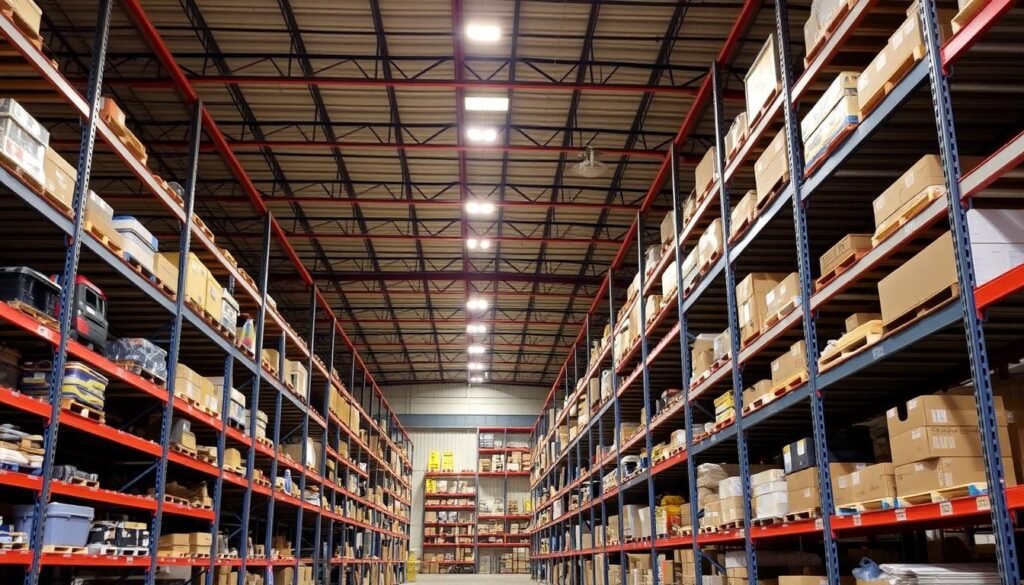
When it comes to shelving, the decision between vertical and horizontal storage is crucial. Vertical storage is ideal for making the most of ceiling height, especially in warehouses or retail spaces where floor area is limited. On the other hand, horizontal storage provides easy access to items and is often used in areas where frequent retrieval is necessary.
The choice between vertical and horizontal storage depends on the specific needs of the business and the layout of the space. For instance, a warehouse might benefit from tall, vertical shelving units to store bulk items, while a retail store might prefer horizontal shelving to display products attractively.
Utilizing Corner Spaces
Corner spaces are often underutilized in many commercial settings. However, with the right shelving solutions, these areas can become valuable storage spaces. Corner shelving units are designed to fit snugly into corners, providing additional storage without taking up too much floor space.
These units are particularly useful in offices, warehouses, and retail stores where every inch counts. By utilizing corner spaces effectively, businesses can keep their main areas more organized and clutter-free.
Creative Arrangement Ideas
Arranging shelving units creatively can also contribute to maximizing space. For example, using modular shelving systems allows businesses to customize their storage solutions according to their specific needs. These systems can be expanded or reconfigured as required, making them highly versatile.
Another idea is to incorporate shelving units into existing structures, such as between pillars or along walls. This not only maximizes storage but also helps to keep the workspace organized and efficient.
By implementing these strategies, businesses can make the most of their available space, improve organization, and enhance overall productivity. Whether it’s through vertical storage, utilizing corner spaces, or creative arrangement ideas, customizable shelving units play a key role in achieving these goals.
9. Cost Considerations for Commercial Shelving Units
Investing in commercial shelving units requires a thorough understanding of both the initial costs and the long-term benefits. Businesses must consider several factors when evaluating the cost-effectiveness of their shelving solutions.
Budgeting for Purchase
When budgeting for commercial shelving units, it’s essential to consider not just the purchase price, but also the costs associated with installation, maintenance, and any necessary customization. Heavy-duty shelving systems, for instance, may have a higher upfront cost but offer greater durability and longevity.
The cost of commercial shelving can vary significantly based on the material used. For example, steel shelving is often more affordable than custom wood shelving but may not offer the same aesthetic appeal. Businesses must weigh their needs and priorities when selecting shelving materials.
| Material | Cost Range | Durability |
|---|---|---|
| Steel | $100-$500 | High |
| Wood | $200-$1000 | Medium |
| Plastic | $50-$300 | Low-Medium |
Long-term Investment Value
The long-term value of commercial shelving units is influenced by their durability and potential for customization. Industrial shelving solutions, for example, are designed to withstand heavy use and can be adapted to changing business needs.
Businesses should also consider the potential for future upgrades or reconfigurations when investing in shelving units. A well-designed shelving system can accommodate growing inventory or changing storage needs, thereby extending its useful life.
By carefully evaluating both the initial costs and the long-term benefits, businesses can make informed decisions about their commercial shelving needs. This approach ensures that their investment in shelving units supports their operational efficiency and growth.
10. Where to Buy Commercial Shelving Units
When it comes to purchasing commercial shelving units, businesses have several options to consider. The choice depends on factors such as convenience, budget, and specific business needs.
Local Suppliers
Local suppliers offer a personalized service, allowing businesses to physically inspect the shelving units before making a purchase. This can be particularly beneficial for businesses that require customized solutions or have specific needs.
- Advantages: Personalized service, ability to inspect products, potential for quicker delivery and installation.
- Considerations: Limited selection compared to larger retailers, potentially higher costs.
Online Retailers
Online retailers provide a vast array of commercial shelving units, often with competitive pricing and detailed product information. This option is ideal for businesses that prefer the convenience of shopping online and have specific product requirements.
- Advantages: Wide selection, competitive pricing, convenience of online shopping.
- Considerations: Need to ensure accurate measurements, potential for longer delivery times.
Wholesale Options
For businesses looking to purchase commercial shelving units in bulk, wholesale options can offer significant cost savings. This is particularly beneficial for larger businesses or those with extensive storage needs.
- Advantages: Cost savings for bulk purchases, potential for customized solutions.
- Considerations: Minimum purchase requirements, potential need for storage space for inventory.
In conclusion, businesses have multiple options when it comes to purchasing commercial shelving units, including local suppliers, online retailers, and wholesale providers. By considering factors such as convenience, cost, and customization needs, businesses can make an informed decision that meets their specific requirements.
11. Conclusion: The Importance of Effective Shelving Solutions
Effective shelving solutions are crucial for businesses to maximize storage, improve organization, and enhance operational efficiency. By investing in high-quality commercial shelving units, businesses can significantly impact their overall productivity.
Key Takeaways
Commercial shelving units, including industrial shelving and customizable shelving units, offer numerous benefits. These benefits include increased storage capacity, improved organization, and enhanced accessibility. By understanding the different types of shelving units and their applications, businesses can make informed decisions to optimize their storage needs.
Investing in the Right Shelving
Investing in the right shelving solutions can have a significant impact on a business’s bottom line. By choosing the appropriate commercial shelving units, businesses can reduce clutter, improve workflow, and increase employee productivity. Whether it’s industrial shelving for heavy-duty applications or customizable shelving units for unique storage needs, the right shelving solution can make a substantial difference.