

Efficient warehouse storage systems are crucial for businesses aiming to optimize their operations. By implementing effective storage solutions, companies can significantly improve their operational efficiency and customer satisfaction.
With the right heavy duty racks, businesses can ensure a safe and organized storage environment. This not only reduces retrieval times but also enhances employee safety, contributing to a more productive workplace.
By optimizing their storage capabilities, businesses can achieve a scalable framework that accommodates growth and changing consumer demands, ultimately leading to reduced costs and improved inventory management.
Key Takeaways
- Efficient warehouse storage improves operational efficiency.
- Heavy duty racks enhance employee safety and reduce retrieval times.
- Optimized storage solutions lead to improved inventory management.
- Scalable storage frameworks accommodate business growth.
- Effective storage reduces costs and enhances customer satisfaction.
Understanding Warehouse Storage Systems
Warehouse storage systems are designed to provide a comprehensive approach to organizing and storing inventory, thereby improving operational efficiency and reducing costs. These systems involve a combination of physical structures, software, and processes to optimize space utilization, improve order efficiency, and ensure the safety and security of stored goods.
What Are Warehouse Storage Systems?
Warehouse storage systems encompass a range of solutions, including heavy duty storage racks and industrial heavy duty racks, designed to store inventory in a manner that maximizes accessibility and minimizes handling costs. These systems are tailored to meet the specific needs of businesses, taking into account factors such as the type of inventory, storage capacity requirements, and operational workflows.
Key Benefits of Effective Storage Solutions
Effective warehouse storage solutions offer numerous benefits, including improved inventory management, increased operational efficiency, and enhanced safety measures. By optimizing storage capacity and streamlining inventory handling processes, businesses can reduce costs associated with manual labor, minimize errors, and improve overall productivity.
The key benefits of effective storage solutions can be summarized as follows:
- Improved inventory tracking and management
- Enhanced operational efficiency through streamlined processes
- Better space utilization, allowing for more inventory storage
- Increased safety through organized storage and handling practices
Types of Warehouse Storage Solutions
Warehouse storage solutions come in various forms, each designed to cater to specific business needs. The choice of storage solution depends on factors such as the type of goods stored, inventory volume, and available space.
Pallet Racking Systems
Pallet racking systems are a popular choice for warehouses that handle large quantities of goods on pallets. These systems are designed to maximize vertical storage space, making them ideal for warehouses with high ceilings. Commercial heavy duty racks are typically used in pallet racking systems due to their durability and ability to support heavy loads.
The benefits of pallet racking systems include:
- Efficient use of vertical space
- Easy access to stored goods
- Flexibility in configuration to suit different warehouse layouts
Shelving Units
Shelving units are versatile storage solutions that can be used for a variety of goods, from small parts to large equipment. Heavy duty shelving units are particularly useful in warehouses that need to store heavy or bulky items. These units are designed to be sturdy and can withstand the rigors of a busy warehouse environment.
Some key advantages of shelving units include:
- Flexibility in storage options
- Easy installation and adjustment
- Ability to store a wide range of item sizes and weights
Automated Storage and Retrieval Systems
Automated storage and retrieval systems (AS/RS) represent a cutting-edge approach to warehouse storage. These systems use automated machinery to store and retrieve goods, minimizing the need for manual labor. AS/RS can significantly improve efficiency and accuracy in warehouses, especially those with high volumes of inventory.
A comparison of the different types of warehouse storage solutions is provided in the following table:
| Storage Solution | Key Features | Benefits |
|---|---|---|
| Pallet Racking Systems | Maximizes vertical space, supports heavy loads | Efficient use of space, easy access to goods |
| Shelving Units | Versatile, sturdy, adjustable | Flexible storage options, easy installation |
| Automated Storage and Retrieval Systems | Automated machinery, high accuracy | Improved efficiency, reduced labor costs |
In conclusion, the type of warehouse storage solution chosen depends on the specific needs of the business. By understanding the characteristics and benefits of different storage systems, warehouses can optimize their storage capacity and improve operational efficiency.
Factors to Consider When Choosing Storage Systems
When selecting a warehouse storage system, it’s crucial to consider several key factors that impact operational efficiency. The right storage solution can significantly enhance your warehouse’s productivity and safety. In this section, we’ll explore the essential factors to consider when choosing a storage system for your warehouse.
Space Utilization
Effective space utilization is critical in warehouse management. It’s essential to maximize your warehouse’s vertical and horizontal space to store more inventory and improve accessibility. Heavy duty warehouse racks and heavy duty steel racks are designed to optimize space while ensuring durability and stability.
- Assess your warehouse’s dimensions and layout to determine the best storage configuration.
- Consider the type of inventory you store and its specific storage requirements.
- Utilize vertical space by installing tall shelving units or pallet racking systems.
Load Capacity
The load capacity of your storage system is another vital factor to consider. Your storage racks and shelving must be able to support the weight of your inventory. Heavy duty steel racks are ideal for storing heavy or bulky items, ensuring that your storage system can handle the load.
- Calculate the maximum weight your storage system will need to support.
- Choose storage solutions that are designed for your inventory’s specific weight and size.
- Regularly inspect your storage systems to ensure they remain sturdy and secure.
Accessibility and Safety
Accessibility and safety are paramount in warehouse operations. Your storage system should allow for easy access to inventory while minimizing the risk of accidents. Consider storage solutions that promote safe working practices and efficient inventory management.
- Implement storage systems that are easy to navigate and access.
- Ensure that your storage solutions comply with safety regulations and standards.
- Train your staff on the safe use and maintenance of your storage systems.
Benefits of Optimizing Warehouse Storage
The benefits of optimizing warehouse storage are multifaceted, ranging from improved inventory management to enhanced safety. By implementing effective storage solutions, businesses can significantly improve their operational efficiency.
Improved Inventory Management
Optimizing warehouse storage leads to improved inventory management. With a well-organized storage system, businesses can easily track and manage their inventory, reducing the likelihood of stockouts or overstocking. This is particularly important for companies dealing with perishable goods or products with a limited shelf life.
- Easier tracking and management of inventory
- Reduced stockouts and overstocking
- Improved accuracy in order fulfillment
Increased Efficiency
Increased efficiency is another significant benefit of optimizing warehouse storage. By utilizing heavy duty pallet racks and other efficient storage solutions, businesses can streamline their operations, reducing the time it takes to locate and retrieve products. This not only improves productivity but also enables companies to fulfill orders more quickly.
- Streamlined operations through efficient storage
- Reduced labor costs due to faster product retrieval
- Improved customer satisfaction through timely order fulfillment
Enhanced Safety Measures
Enhanced safety measures are also a critical advantage of optimizing warehouse storage. A well-organized warehouse reduces the risk of accidents and injuries, creating a safer working environment for employees. This can be achieved through the use of sturdy storage solutions and proper training on warehouse operations.
- Reduced risk of accidents and injuries
- Improved working conditions for employees
- Compliance with safety regulations and standards
By focusing on these key areas, businesses can reap the benefits of optimizing their warehouse storage, leading to improved overall performance and a competitive edge in the market.
Popular Warehouse Storage Technologies
Technological advancements are transforming warehouse storage, making it more efficient and accurate. The integration of innovative technologies is enhancing the way warehouses operate, from inventory management to order fulfillment.
The use of advanced technologies in warehouse storage systems is not just a trend; it’s becoming a necessity for businesses aiming to stay competitive. Two of the most impactful technologies in this domain are RFID tracking systems and inventory management software.
RFID Tracking Systems
RFID (Radio Frequency Identification) tracking systems have revolutionized inventory management by providing real-time data on the location and status of inventory. This technology uses RFID tags, which can be attached to pallets, cases, or individual items, to track inventory as it moves through the warehouse.
Benefits of RFID Tracking Systems:
- Improved inventory accuracy
- Reduced labor costs due to automated tracking
- Enhanced supply chain visibility
For instance, a study by the National Retail Federation found that RFID technology can reduce inventory discrepancies by up to 30%. This is particularly beneficial for retailers dealing with high volumes of inventory.
Inventory Management Software
Inventory management software is another critical technology for modern warehouses. This software provides a centralized platform for managing inventory, tracking orders, and optimizing storage.
Key Features of Inventory Management Software:
| Feature | Description | Benefit |
|---|---|---|
| Real-time Inventory Tracking | Tracks inventory levels in real-time | Reduces stockouts and overstocking |
| Automated Reporting | Generates reports on inventory levels and movement | Saves time and improves decision-making |
| Order Management | Manages orders from receipt to fulfillment | Streamlines the order fulfillment process |
By leveraging these technologies, warehouses can significantly improve their operational efficiency and accuracy. As the warehousing industry continues to evolve, adopting such technologies will be crucial for staying ahead of the competition.
Customizing Your Warehouse Storage Solution
In the world of warehousing, a customized storage solution can be the difference between success and stagnation. As businesses grow and evolve, their storage needs change, making it essential to tailor warehouse storage systems to meet specific requirements.
Assessing Your Specific Needs
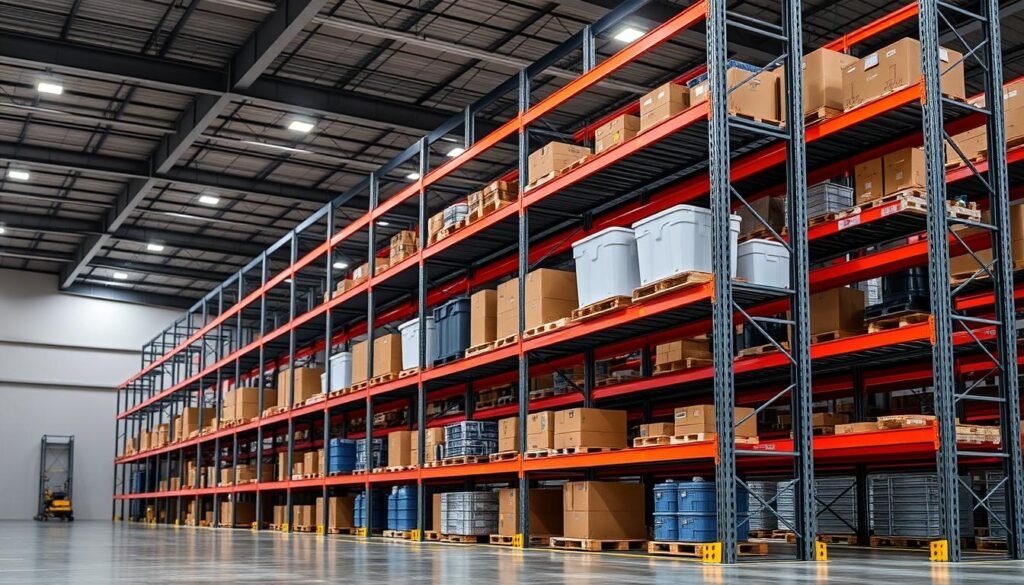
To customize your warehouse storage effectively, you must first assess your specific needs. This involves evaluating the types of products you store, their volume, and how often they are accessed. For instance, businesses dealing with heavy or bulky items may require heavy duty racks or industrial heavy duty racks that can support significant weight.
Consider the layout of your warehouse and how products move through it. A thorough assessment will help identify the most efficient storage solutions, improving overall operational efficiency.
Collaborating with Storage Providers
Once you’ve assessed your needs, the next step is to collaborate with storage providers. These experts can offer valuable insights into the latest storage technologies and solutions that can be tailored to your business. By working together, you can design a storage system that not only meets your current needs but is also scalable for future growth.
As noted by industry experts, “A well-designed warehouse storage system is not just about storing products; it’s about creating a streamlined process that enhances productivity and reduces costs.” By choosing the right storage solutions, such as heavy duty racks for robust storage needs, businesses can significantly improve their warehouse operations.
“The right warehouse storage solution can transform your business by maximizing space, improving inventory management, and enhancing overall efficiency.”
Customizing your warehouse storage solution is a strategic move that can lead to significant benefits, including improved inventory management, increased efficiency, and enhanced safety measures. By assessing your specific needs and collaborating with storage providers, you can create a tailored storage solution that supports your business goals.
The Role of Ergonomics in Warehouse Design
Incorporating ergonomic principles into warehouse design is essential for enhancing worker well-being and productivity. Ergonomics plays a crucial role in creating a safe and efficient working environment, directly impacting the health and performance of warehouse staff.
By designing warehouses with ergonomics in mind, businesses can significantly reduce the risk of work-related injuries and improve overall worker satisfaction. This involves selecting the right equipment, such as commercial heavy duty racks and heavy duty shelving units, that are designed to minimize strain and maximize accessibility.
Reducing Physical Strain
One of the primary goals of ergonomics in warehouse design is to reduce physical strain on workers. This can be achieved by implementing storage solutions that are easy to access and maneuver, reducing the need for heavy lifting or bending.
For instance, using adjustable shelving units that can be customized to fit different types of products can help minimize the strain associated with retrieving or storing items. Moreover, ensuring that aisles are wide enough for easy navigation, even when using pallet jacks or forklifts, contributes to a safer working environment.
Improving Worker Productivity
Ergonomics not only enhances worker safety but also improves productivity. When workers are comfortable and can perform their tasks efficiently, they are more likely to be productive and have higher job satisfaction.
By investing in ergonomic warehouse design, businesses can benefit from reduced absenteeism due to work-related injuries, lower turnover rates, and improved overall performance. It’s about creating a workspace that supports the well-being of employees, which in turn, supports the success of the business.
To achieve this, companies should consider collaborating with experts in warehouse design and ergonomics to assess their current setup and identify areas for improvement. This might involve rearranging the layout, investing in new storage solutions like heavy duty shelving units, or implementing training programs that teach workers how to use equipment safely and efficiently.
Cost-Effectiveness of Modern Storage Systems
The cost-effectiveness of modern storage systems is a critical factor for businesses aiming to enhance their warehouse efficiency. Modern storage solutions, such as heavy duty warehouse racks and heavy duty steel racks, are designed to provide long-term benefits despite the initial investment costs.
When evaluating the cost-effectiveness of storage systems, it’s essential to consider both the initial investment and the long-term savings. The initial investment includes the costs of purchasing and installing the storage systems, while long-term savings can be achieved through improved inventory management, reduced labor costs, and increased operational efficiency.
Initial Investment vs. Long-term Savings
The initial investment in modern storage systems can be substantial, but the long-term savings often outweigh these costs. For instance, heavy duty steel racks can significantly reduce the need for frequent rearrangements or replacements, thereby saving on labor and maintenance costs.
| Storage System | Initial Investment | Long-term Savings |
|---|---|---|
| Heavy Duty Warehouse Racks | $10,000 | $3,000/year |
| Heavy Duty Steel Racks | $8,000 | $2,500/year |
Financing Options
To make modern storage systems more accessible, various financing options are available. Businesses can explore leasing options, loans, or rental agreements that allow them to adopt efficient storage solutions without a significant upfront expenditure.
By adopting modern storage systems and exploring financing options, businesses can achieve a significant return on investment. The key is to assess the specific needs of the warehouse and choose a storage solution that offers the best balance between cost and efficiency.
Maintenance and Upkeep of Storage Systems
Effective maintenance strategies can significantly extend the lifespan of your warehouse storage solutions, such as heavy duty pallet racks. Regular upkeep not only ensures the optimal performance of these systems but also prevents costly repairs and downtime.
Maintaining your storage systems involves several key activities. First, it’s essential to conduct regular inspections to identify any potential issues before they become major problems. This includes checking for signs of wear and tear, damage, or corrosion on components like beams, frames, and connectors.
Regular Inspections
Regular inspections are a critical component of maintenance. They help in early detection of issues such as:
- Damage to racking systems
- Corrosion or rust on metal components
- Loose or missing bolts and connectors
By identifying these issues early, you can take corrective action to prevent accidents and ensure the continued safe use of your storage systems.
Upgrading Technology
In addition to regular inspections, upgrading your storage technology can enhance efficiency and safety. This might involve:
- Implementing new inventory management software
- Integrating automation technologies
- Upgrading to more advanced racking systems, such as those with improved safety features
Upgrading can also involve replacing outdated or worn-out components with new ones, ensuring that your storage systems remain in good working condition.
Here’s a comparison of maintenance activities and their benefits:
| Maintenance Activity | Benefits |
|---|---|
| Regular Inspections | Early detection of potential issues, prevention of accidents |
| Upgrading Technology | Enhanced efficiency, improved safety, reduced downtime |
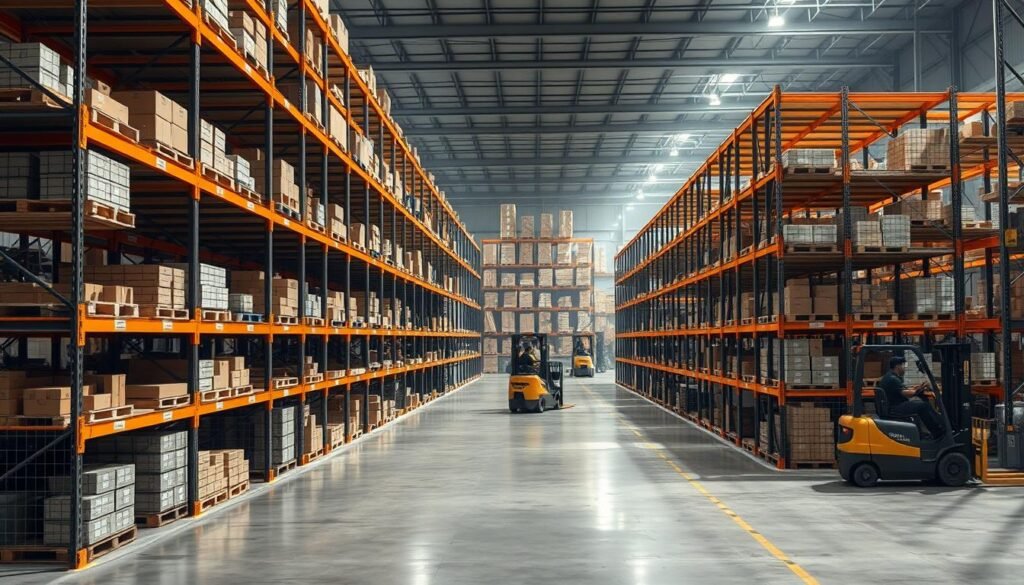
By prioritizing maintenance and upkeep, businesses can maximize the lifespan of their storage systems, including heavy duty pallet racks, and ensure they continue to operate safely and efficiently.
Environmental Considerations
Adopting sustainable practices in warehouse storage is no longer a choice but a necessity for businesses. As the world becomes more environmentally conscious, companies are under increasing pressure to reduce their ecological footprint. Warehouse storage systems, being a critical component of logistics and supply chain management, play a significant role in this endeavor.
Sustainable Storage Solutions
One of the key strategies in minimizing environmental impact is the adoption of sustainable storage solutions. This includes using heavy duty racks made from recyclable materials, optimizing storage capacity to reduce the need for additional warehouse space, and implementing energy-efficient lighting and climate control systems. By adopting these practices, businesses can significantly reduce their energy consumption and lower their carbon emissions.
Moreover, sustainable storage solutions often involve the use of modular designs that can be easily reconfigured or expanded as needed, reducing the necessity for new materials and minimizing waste. This approach not only benefits the environment but also offers a cost-effective solution for businesses looking to adapt to changing demands.
Reducing Your Warehouse’s Carbon Footprint
Reducing a warehouse’s carbon footprint involves a multifaceted approach that includes not just the storage systems but also the overall operations. Implementing energy-efficient practices, such as using LED lighting and optimizing heating and cooling systems, can significantly reduce energy consumption. Additionally, businesses can explore alternative energy sources, such as solar or wind power, to further decrease their reliance on fossil fuels.
Another critical aspect is the reduction of waste. This can be achieved by implementing recycling programs for packaging materials and minimizing packaging overall. Furthermore, adopting a just-in-time inventory system can help reduce the need for extensive storage, thereby lowering the energy required for maintaining the warehouse.
| Environmental Impact | Traditional Storage | Sustainable Storage |
|---|---|---|
| Energy Consumption | High | Low |
| Material Usage | Non-recyclable materials | Recyclable materials |
| Waste Generation | High | Low |
By transitioning to sustainable storage solutions and reducing their carbon footprint, businesses can not only contribute to a healthier environment but also enhance their brand reputation and comply with increasingly stringent environmental regulations.
Future Trends in Warehouse Storage Systems
The future of warehouse storage is on the cusp of a revolution, driven by technological advancements and changing business needs. As companies strive to stay competitive, they are turning to innovative solutions to optimize their storage systems.
Two key trends are shaping the future of warehouse storage: robotics and automation, and smart warehousing solutions. These advancements are transforming the way businesses operate, enabling them to achieve greater efficiency, productivity, and sustainability.
Robotics and Automation
Robotics and automation are revolutionizing warehouse storage by streamlining processes and reducing labor costs. With the use of industrial heavy duty racks and commercial heavy duty racks, businesses can maximize their storage capacity while ensuring safe and efficient operations.
- Automated storage and retrieval systems (AS/RS) are being used to optimize storage density and reduce handling times.
- Robotic picking and packing systems are improving order fulfillment accuracy and speed.
- Autonomous mobile robots (AMRs) are enhancing warehouse navigation and reducing labor costs.
Smart Warehousing Solutions
Smart warehousing solutions are enabling businesses to make data-driven decisions, optimize their operations, and improve customer satisfaction. By leveraging technologies such as IoT sensors, AI, and machine learning, companies can gain real-time insights into their warehouse operations.
Some key benefits of smart warehousing solutions include:
- Improved inventory management through real-time tracking and monitoring.
- Enhanced supply chain visibility and responsiveness.
- Optimized warehouse layout and storage configurations.
By embracing these future trends in warehouse storage systems, businesses can stay ahead of the curve and achieve their operational goals. Whether through robotics and automation or smart warehousing solutions, companies can optimize their storage systems to drive efficiency, productivity, and sustainability.
Getting Started with Your Storage Solutions
Implementing effective warehouse storage solutions requires a thorough understanding of your current setup and needs. By assessing your existing storage systems, you can identify areas for improvement and determine the best course of action for optimizing your warehouse operations.
Assessing Your Warehouse Needs
Evaluating your current setup involves examining the types of storage systems you currently use, such as heavy duty shelving units or heavy duty warehouse racks, and identifying any inefficiencies or bottlenecks. This assessment will help you determine the most suitable storage solutions for your business, ensuring that you maximize your warehouse space and improve overall productivity.
Expert Guidance for Optimal Storage
Seeking professional consultation is crucial in finding the right storage solutions for your business. Experts can help you design and implement a customized storage system that meets your specific needs, incorporating technologies and systems that enhance your warehouse’s efficiency and safety. By collaborating with storage professionals, you can ensure that your warehouse is equipped with the most effective storage solutions, including heavy duty shelving units and heavy duty warehouse racks, to drive business success.