

Optimizing warehouse storage is crucial for efficiency and productivity. Studies show that poor storage solutions can steal up to 20% of usable cubes in North American warehouses.
Efficient storage solutions are vital to maximizing warehouse capacity. Pallet rack systems play a significant role in achieving this optimization, enabling warehouses to store more inventory and improve accessibility.
Selecting the right warehouse pallet racks can significantly impact your warehouse’s overall efficiency. This article will explore the different types of pallet rack systems, their benefits, and considerations for selecting the right solution for your warehouse.
Key Takeaways
- Optimizing warehouse storage is crucial for efficiency and productivity.
- Pallet rack systems play a vital role in maximizing warehouse capacity.
- Selecting the right warehouse pallet racks can significantly impact warehouse efficiency.
- Efficient storage solutions enable warehouses to store more inventory and improve accessibility.
- Different types of pallet rack systems offer various benefits and considerations.
Understanding Pallet Rack Systems
Understanding pallet rack systems is essential for optimizing warehouse operations and improving overall productivity. Pallet rack systems are designed to provide a structured and efficient way to store and manage inventory.
What are Pallet Rack Systems?
Pallet rack systems are industrial storage racks that support goods stored on pallets or other platforms, maximizing the use of vertical space in warehouses. These systems are crucial for businesses looking to enhance their storage capabilities and streamline their operations.
Key Features of Pallet Rack Systems:
- Efficient use of vertical space
- Improved inventory management
- Enhanced accessibility to stored goods
Key Components of Pallet Racks
The key components of pallet racks include uprights, beams, and frames. Uprights are the vertical structures that support the weight of the rack and its contents. Beams are the horizontal elements that span between uprights, providing the actual storage level for pallets. Frames are the overall structures that tie the uprights and beams together, ensuring stability and rigidity.
| Component | Description | Function |
|---|---|---|
| Uprights | Vertical structures | Support the weight of the rack and contents |
| Beams | Horizontal elements | Provide storage levels for pallets |
| Frames | Overall structures | Ensure stability and rigidity |
Types of Pallet Rack Systems
There are several types of pallet rack systems available, each designed to meet specific storage needs. Selective pallet racking is one of the most common types, offering direct access to every pallet. Other types include drive-in, drive-through, push-back, and cantilever racking systems, each with its unique advantages and applications.
“The right pallet rack system can significantly enhance a warehouse’s storage capacity and operational efficiency.”
By understanding the different types and components of pallet rack systems, businesses can make informed decisions about their storage needs and optimize their warehouse operations.
Benefits of Using Pallet Rack Systems
The advantages of pallet rack systems are multifaceted, enhancing both storage and efficiency. By implementing these systems, warehouses can significantly improve their operational capacity.
Maximizing Storage Space
Pallet rack systems are designed to optimize warehouse storage by utilizing vertical space effectively. This allows for a substantial increase in storage capacity, making it possible to store more goods without expanding the warehouse footprint.
Heavy duty pallet racks are particularly beneficial for storing large and heavy items, ensuring that warehouses can accommodate a wide range of products. By maximizing vertical space, warehouses can reduce clutter and improve inventory management.
| Storage Solution | Storage Capacity | Accessibility |
|---|---|---|
| Pallet Rack Systems | High | Easy |
| Traditional Shelving | Medium | Moderate |
| Floor Stacking | Low | Difficult |
“The right pallet rack system can transform your warehouse, making it more efficient and organized.”
Enhancing Warehouse Efficiency
In addition to maximizing storage space, pallet rack systems also play a crucial role in enhancing warehouse efficiency. By organizing products in a systematic and accessible manner, warehouses can reduce the time spent on retrieving and storing items.
Warehouse shelving solutions that are well-designed and implemented can lead to significant improvements in productivity. For instance, selective pallet racks allow for easy access to any pallet, improving picking and restocking processes.
Furthermore, pallet rack systems can be customized to fit the specific needs of a warehouse, ensuring that operations run smoothly and efficiently. By investing in a high-quality pallet rack system, warehouses can enjoy long-term benefits and improved overall performance.
Choosing the Right Pallet Rack System
To maximize your warehouse’s potential, it’s essential to choose a pallet rack system that aligns with your storage requirements. A well-chosen system not only enhances storage capacity but also improves overall warehouse efficiency.
Evaluating Your Storage Needs
Before selecting a pallet rack system, it’s crucial to evaluate your storage needs. Consider the types of products you store, their size, weight, and how frequently they are accessed. This assessment will help determine the most suitable pallet rack configuration for your warehouse.
Key factors to consider include:
- Pallet size and weight
- Warehouse layout and available space
- Accessibility and retrieval efficiency
- Future storage needs and scalability
Factors to Consider When Selecting a System
When choosing a pallet rack system, several factors come into play. The system’s adjustability, durability, and compatibility with your existing warehouse operations are paramount. Adjustable pallet racking systems, for instance, offer flexibility and can be adapted to different pallet sizes and storage needs.
| System Type | Key Features | Benefits |
|---|---|---|
| Selective Pallet Racking | Easy access to all pallets, high storage capacity | Ideal for warehouses with a wide range of products |
| Drive-In Pallet Racking | High-density storage, cost-effective | Suitable for storing large quantities of the same product |
| Push-Back Pallet Racking | High-density storage, LIFO (Last-In-First-Out) inventory system | Optimizes storage for products with similar storage requirements |
Popular Brands and Models
Several reputable brands offer high-quality pallet rack systems. When selecting a brand, consider their experience, product quality, and customer service. Some popular brands include those that specialize in pallet rack installation services, ensuring a smooth and efficient setup process.
By carefully evaluating your storage needs and considering the factors outlined above, you can choose a pallet rack system that enhances your warehouse’s efficiency and productivity. Whether you opt for an adjustable pallet racking system or another configuration, the right choice will significantly impact your operations.
Installation Process for Pallet Racks
Installing pallet racks is a critical process that requires careful planning and execution to ensure a safe and efficient warehouse operation. A well-designed pallet rack system, complemented by the right pallet rack accessories, can significantly enhance storage capacity and accessibility.
Preparing Your Warehouse for Installation
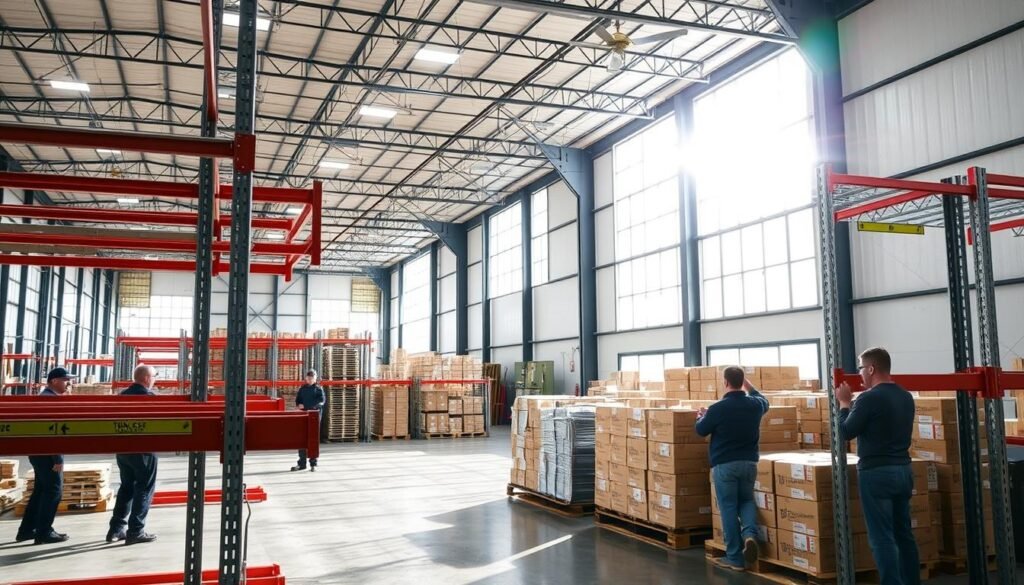
Before the installation begins, it’s essential to prepare your warehouse. This involves clearing the area of any debris, ensuring the floor is level and clean, and verifying that there are no obstacles that could interfere with the installation process. Proper preparation is key to a smooth and efficient installation.
Step-by-Step Installation Guide
The installation process for pallet racks typically follows a step-by-step guide. This includes:
- Assembling the upright frames and ensuring they are level and securely anchored to the floor.
- Attaching the horizontal beams to the upright frames, making sure they are securely locked in place.
- Installing any additional pallet rack accessories, such as safety pins or beam locks, to enhance the system’s stability and safety.
- Conducting a final inspection to ensure all components are properly installed and the system is safe for use.
Safety Considerations During Setup
Safety is paramount during the installation of pallet racks. It’s crucial to follow all safety guidelines and industry standards to prevent accidents and ensure a safe working environment. This includes wearing appropriate personal protective equipment (PPE), using proper lifting techniques, and ensuring that all personnel involved in the installation are properly trained.
By following these guidelines and considering the specific needs of your warehouse, you can ensure a successful installation that maximizes the efficiency and safety of your pallet rack system.
Maintenance Tips for Pallet Rack Systems
Maintaining your pallet rack system is vital for preventing accidents and ensuring efficient warehouse operations. Regular maintenance not only prolongs the lifespan of the equipment but also enhances the overall safety and productivity of the warehouse.
Regular Inspections and Audits
Conducting regular inspections and audits is a critical aspect of maintaining pallet rack systems. This involves checking for damage, wear, and tear on the racks, as well as ensuring that all components are securely in place.
- Inspect beams, uprights, and other components for damage or signs of wear.
- Check for proper alignment and levelness of the racks.
- Verify that all safety features, such as row dividers and end stops, are in place and functioning correctly.
Common Issues to Watch For
Some common issues to watch for during inspections include:
- Damage from forklift impacts.
- Overloading, which can cause structural damage.
- Corrosion or rust on metal components.
Identifying these issues early can help prevent more significant problems from developing.
Best Practices for Upkeep
To maintain your pallet rack system effectively, follow these best practices:
- Schedule regular inspections and audits.
- Keep the warehouse floor clear of debris and obstructions.
- Train staff on the proper use and maintenance of pallet racks.
By following these maintenance tips, warehouses can ensure their pallet rack systems operate safely and efficiently.
| Maintenance Task | Frequency | Responsible Personnel |
|---|---|---|
| Inspect for damage or wear | Weekly | Warehouse Staff |
| Check for proper alignment | Monthly | Maintenance Team |
| Verify safety features | Quarterly | Safety Officer |
Cost Considerations for Pallet Rack Systems
Evaluating the cost of pallet rack systems involves more than just the initial purchase price; it includes installation, maintenance, and potential savings. When planning to invest in industrial storage racks or heavy duty pallet racks, warehouses must consider several financial factors to ensure they make an informed decision.
The financial implications of pallet rack systems can be broken down into initial costs and ongoing expenses. Understanding these elements is crucial for budgeting effectively.
Initial Investment vs. Long-Term Savings
The initial investment in pallet rack systems can be substantial, depending on the size and complexity of the system. However, it’s essential to weigh this against the long-term savings and efficiency gains that a well-designed pallet rack system can provide. For instance, heavy duty pallet racks can significantly increase storage capacity, reduce labor costs, and improve inventory management.
Long-term savings can be achieved through:
- Increased storage density, allowing for more efficient use of warehouse space.
- Reduced labor costs due to easier access and management of inventory.
- Minimized damage to goods through better organization and handling.
Budgeting for Installation and Maintenance
Besides the initial purchase, it’s crucial to budget for the installation and maintenance of pallet rack systems. Installation costs can vary based on the complexity of the system and the warehouse’s layout. Regular maintenance is also essential to ensure the longevity and safety of the system.
To budget effectively, consider the following:
- Quotes from multiple suppliers to compare prices and services.
- Installation costs, including any necessary adjustments to the warehouse.
- Ongoing maintenance costs, including inspections and repairs.
By carefully evaluating these cost factors, warehouses can make informed decisions about their pallet rack systems, ensuring they achieve the best possible return on investment.
Customizing Your Pallet Rack Systems
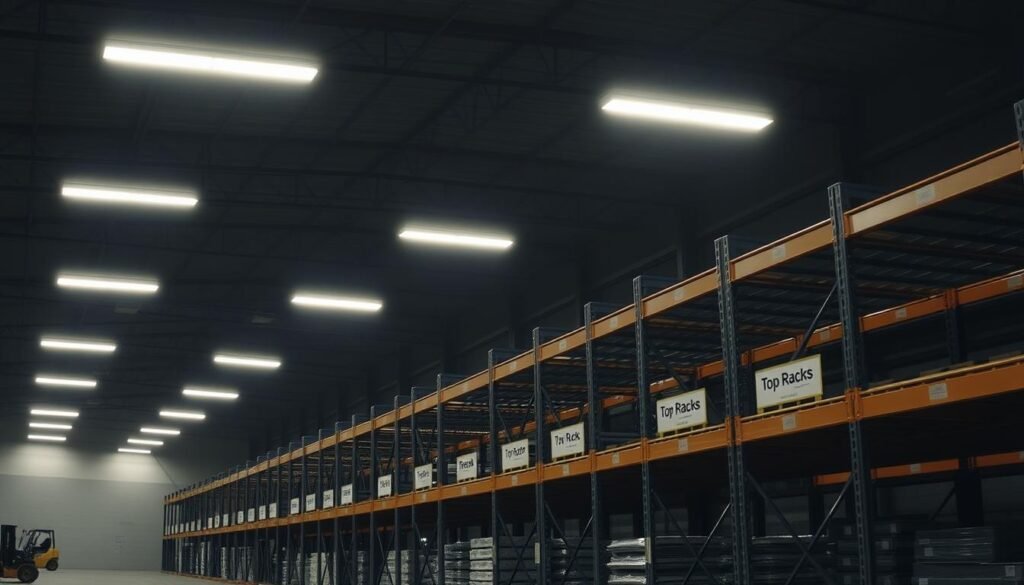
Warehouses can greatly benefit from customized pallet rack systems that cater to their specific operational requirements. By tailoring pallet shelving systems to their unique needs, warehouses can enhance storage capacity, improve accessibility, and streamline their operations.
Tailored Solutions for Unique Warehousing Needs
Customizing pallet rack systems involves assessing the warehouse’s layout, inventory types, and operational workflow to design a storage solution that fits perfectly. For instance, adjustable pallet racking can be particularly useful in environments where storage needs frequently change.
Some key considerations for tailored solutions include:
- Assessing the warehouse’s vertical space to maximize storage capacity
- Selecting materials and designs that can withstand the warehouse environment
- Incorporating features that enhance safety and accessibility
By focusing on these aspects, warehouses can create a customized pallet rack system that not only meets their current needs but is also adaptable to future changes.
Innovations in Design and Functionality
The design and functionality of pallet rack systems have seen significant innovations in recent years. Modern systems are not only more efficient but also offer greater flexibility. For example, some systems now incorporate advanced materials that are both durable and lightweight, making them easier to install and adjust.
“The right pallet rack system can transform a warehouse’s efficiency and productivity. It’s about finding a solution that fits your specific needs.” – Warehouse Optimization Expert
For warehouses looking to implement or upgrade their pallet rack systems, visiting a reputable supplier like Top Racks Direct can provide valuable insights and solutions tailored to their needs.
Safety Regulations and Compliance
Ensuring safety in warehouses is paramount, and compliance with safety regulations is crucial for the safe operation of pallet rack systems. Warehouse managers must be aware of the industry standards and regulatory requirements that govern the installation, maintenance, and operation of pallet racks.
Industry Standards for Pallet Racks
Industry standards for pallet racks are designed to ensure that these storage systems are installed and maintained in a way that minimizes the risk of accidents. The RMI (Rack Manufacturers Institute) provides guidelines for the safe installation, use, and maintenance of pallet racks. Compliance with these standards is essential for warehouse shelving solutions to be considered safe and reliable.
| Standard | Description | Compliance Benefit |
|---|---|---|
| RMI Guidelines | Guidelines for safe installation and maintenance | Reduces risk of accidents |
| OSHA Regulations | Regulations for workplace safety | Ensures a safe working environment |
Understanding OSHA Requirements
OSHA (Occupational Safety and Health Administration) requirements play a critical role in ensuring workplace safety. For pallet rack systems, OSHA regulations cover aspects such as installation, inspection, and maintenance. Understanding and complying with these regulations is vital for the safe operation of pallet rack installation services.
Comprehensive Safety Training for Staff
Comprehensive safety training for staff is a crucial aspect of maintaining a safe working environment. Training programs should cover the proper use of pallet racks, safety procedures, and emergency response plans. By investing in staff training, warehouses can significantly reduce the risk of accidents and ensure compliance with safety regulations.
In conclusion, safety regulations and compliance are fundamental to the safe and efficient operation of pallet rack systems. By understanding industry standards, OSHA requirements, and providing comprehensive safety training, warehouses can ensure a safe working environment for their employees.
Integrating Technology with Pallet Rack Systems
The integration of technology with pallet rack systems is revolutionizing warehouse management by enhancing efficiency, accuracy, and productivity. This technological advancement is transforming the way warehouses operate, making it easier to manage inventory and streamline operations.
Using Warehouse Management Systems (WMS)
Warehouse Management Systems (WMS) are a crucial component in the modernization of pallet rack systems. A WMS is a software solution that helps manage and control warehouse operations, including inventory tracking, storage, and shipping. By integrating a WMS with pallet rack systems, warehouses can:
- Improve Inventory Accuracy: Real-time tracking reduces errors and ensures that inventory levels are accurate.
- Enhance Operational Efficiency: Automating tasks such as inventory management and order picking saves time and reduces labor costs.
- Optimize Storage Capacity: Advanced algorithms help in optimizing the use of pallet rack systems, ensuring maximum storage capacity.
According to industry experts, “Implementing a WMS can lead to significant improvements in warehouse operations, including reduced costs and improved customer satisfaction.” This is a game-changer for warehouses looking to stay competitive.
Benefits of Automated Pallet Racking Solutions
Automated pallet racking solutions are another technological advancement that is benefiting warehouses. These systems use robotics and automation technology to store and retrieve pallets, improving the efficiency and safety of warehouse operations.
- Increased Productivity: Automated systems can operate around the clock without breaks, significantly increasing productivity.
- Improved Safety: By reducing the need for manual handling, automated pallet racking solutions minimize the risk of workplace injuries.
- Flexibility and Scalability: These systems can be easily integrated into existing pallet rack systems and scaled according to the needs of the warehouse.
As warehouses continue to evolve, the integration of technology with pallet rack systems will play a pivotal role in shaping the future of warehouse management. By embracing WMS and automated pallet racking solutions, warehouses can achieve higher levels of efficiency, accuracy, and productivity.
Case Studies: Successful Pallet Rack Implementations
By adopting heavy-duty pallet racks, warehouses can achieve remarkable efficiency gains. This section explores real-world examples of successful pallet rack implementations, highlighting the benefits and challenges faced by different warehouses.
Warehouse A: Boosting Efficiency
Warehouse A, a leading distributor of automotive parts, faced significant challenges in managing their inventory due to limited storage space. By installing a customized warehouse pallet rack system, they were able to double their storage capacity and reduce retrieval times by 30%.
The implementation involved a thorough analysis of their storage needs and the installation of selective pallet racks, which allowed for easy access to all stored items. This change not only improved their operational efficiency but also enhanced their ability to meet customer demands promptly.
Warehouse B: Space Optimization
Warehouse B, a large e-commerce fulfillment center, needed to optimize their storage space to accommodate a growing inventory. They opted for a warehouse pallet rack system that included both selective and push-back racks, maximizing their vertical storage capacity.
| Warehouse Metrics | Before Implementation | After Implementation |
|---|---|---|
| Storage Capacity | 10,000 sq. ft. | 20,000 sq. ft. |
| Inventory Retrieval Time | 45 minutes | 25 minutes |
| Operational Efficiency | 60% | 85% |
The outcome was a significant increase in storage capacity and a reduction in inventory retrieval times, leading to improved overall operational efficiency.
Future Trends in Pallet Rack Systems
The future of pallet rack systems is evolving to meet the changing needs of warehouses and distribution centers. As the industry continues to grow, the demand for efficient and sustainable storage solutions is on the rise.
Sustainable Storage Solutions
Eco-friendly and sustainable options are becoming increasingly popular in pallet shelving systems. Manufacturers are now focusing on creating adjustable pallet racking systems that not only maximize storage space but also minimize environmental impact.
Advancements in Design and Technology
Technological advancements are also playing a crucial role in shaping the future of pallet rack systems. Innovations in design and functionality are enabling warehouses to optimize their storage operations, improve efficiency, and reduce costs. By adopting these cutting-edge solutions, businesses can stay ahead of the competition and achieve their operational goals.
As warehouses continue to evolve, it’s essential to stay informed about the latest trends and technologies in pallet rack systems. By doing so, businesses can make informed decisions and invest in solutions that meet their unique needs and drive long-term success.