

Optimizing warehouse storage is crucial for businesses looking to maximize efficiency and productivity. The right industrial shelving accessories can make a significant difference in achieving this goal.
By implementing an effective pallet racking system, businesses can protect their materials, streamline order fulfillment, and increase storage capacity. This not only enhances operational efficiency but also contributes to a safer working environment.
Selecting the appropriate warehouse storage accessories is vital. It ensures that the warehouse is well-organized, making it easier to locate and retrieve items. Moreover, the correct pallet rack accessories can help in utilizing the available space more effectively.
Key Takeaways
- Effective warehouse storage solutions can significantly enhance operational efficiency.
- The right industrial shelving can protect materials and improve order fulfillment.
- Proper pallet racking systems increase storage capacity and contribute to a safer working environment.
- Choosing the correct warehouse storage accessories is crucial for a well-organized warehouse.
- Utilizing the appropriate pallet rack accessories can optimize space usage.
What are Industrial Warehouse Racks?
Industrial warehouse racks play a pivotal role in enhancing the productivity of warehouses by ensuring that items are stored in an organized manner. These racks are designed to maximize storage capacity while maintaining easy access to goods.
Definition and Purpose
Industrial warehouse racks are structures used to store goods and materials in a warehouse. The primary purpose of these racks is to provide a systematic way of storing items, making it easier to manage inventory and retrieve products as needed. The racks are composed of various components, including pallet rack parts such as vertical uprights and beams, which form the frame and provide a surface for safe pallet placement.
The use of industrial warehouse racks helps in optimizing warehouse space, reducing clutter, and improving overall operational efficiency. By utilizing these racks, businesses can ensure that their storage systems are both effective and safe.
Common Types of Racks
There are several types of industrial warehouse racks available, each designed to serve specific storage needs. Some of the most common types include:
- Selective pallet racking
- Drive-in racking
- Cantilever racking
These racking systems are designed to accommodate different types of products and storage requirements. For instance, selective pallet racking is ideal for storing a wide variety of products, while drive-in racking is used for high-density storage of similar items.
| Type of Racking | Description | Key Features |
|---|---|---|
| Selective Pallet Racking | Ideal for storing a wide variety of products | Easy access to pallets, flexible configuration |
| Drive-In Racking | Used for high-density storage of similar items | High storage capacity, efficient use of space |
| Cantilever Racking | Suitable for storing long, heavy, or irregular items | Flexible arm configurations, sturdy construction |
The choice of racking system depends on the specific needs of the warehouse, including the type of products being stored, the available space, and the desired level of accessibility. By selecting the right warehouse rack components and rack system accessories, businesses can create an efficient and effective storage system.
Benefits of Using Industrial Warehouse Racks
The use of industrial warehouse racks can significantly enhance the efficiency of storage and retrieval processes. By maximizing storage capacity and improving inventory management, businesses can experience significant operational improvements.
Maximize Storage Space
Industrial warehouse racks are designed to optimize vertical space, allowing for more efficient use of warehouse real estate. By utilizing pallet rack add-ons such as additional shelving and storage components, businesses can further enhance their storage capabilities.
Effective storage solutions enable warehouses to store more products, reduce clutter, and improve overall organization. This, in turn, can lead to faster order fulfillment and improved customer satisfaction.
Improve Inventory Management
A well-organized shelving system, complete with appropriate shelving system components, facilitates better inventory management. By categorizing and storing products in a logical and accessible manner, warehouses can reduce the time spent on inventory management tasks.
| Inventory Management Aspect | Benefits of Industrial Warehouse Racks |
|---|---|
| Organization | Enhanced product categorization and storage |
| Accessibility | Faster retrieval of products |
| Accuracy | Reduced errors in inventory tracking |
Enhance Safety in the Warehouse
The use of pallet rack hardware and other racking components can significantly enhance safety within the warehouse. By ensuring that racks are sturdy and well-maintained, businesses can reduce the risk of accidents and injuries.
Properly installed and maintained industrial warehouse racks contribute to a safer working environment. This not only protects employees but also reduces the potential for costly damages and liability.
Types of Industrial Warehouse Racks Available
Different types of industrial warehouse racks are available to suit various warehouse operations and inventory management needs. The choice of racking system depends on several factors, including the type of products stored, warehouse size, and operational requirements.
Selective Pallet Racking
Selective pallet racking is one of the most common types of warehouse racking systems. It allows for easy access to pallets stored on the racks, making it ideal for warehouses with a high inventory turnover. This system is highly versatile and can be configured to accommodate various pallet sizes and weights.
Drive-In Racking
Drive-in racking is designed for high-density storage, where pallets are stored in a continuous row without aisles between them. This system is suitable for warehouses with a large quantity of the same product, as it maximizes storage capacity. It’s also a cost-effective solution, as it requires less aisle space.
Cantilever Racking
Cantilever racking is used for storing long, heavy, or bulky items such as lumber, pipes, or furniture. The racks have arms that extend from a central column, providing easy access to stored items. This system is particularly useful in warehouses where storage needs include irregularly shaped or long items.
Mezzanine Racking
Mezzanine racking involves the use of a raised platform or mezzanine floor to increase storage capacity. This system is ideal for warehouses with high ceilings, as it allows for the efficient use of vertical space. Mezzanine racks can be customized to fit the specific needs of the warehouse, including the installation of stairways and railings for safety.
When choosing an industrial warehouse rack, it’s essential to consider the specific needs of your warehouse, including the type of products stored, available space, and budget. By selecting the right racking system, businesses can improve their storage capacity, enhance inventory management, and increase overall operational efficiency.
Factors to Consider When Choosing Racks
The process of choosing the ideal warehouse racking system involves considering several key factors. To make an informed decision, it’s crucial to evaluate your warehouse’s specific needs and how different racking systems can meet those needs.
Weight Capacity
One of the primary considerations is the weight capacity of the racks. It’s essential to ensure that the racks you choose can support the weight of your inventory. Pallet rack accessories such as beam locks and safety pins can enhance the stability of the racks, preventing accidents and ensuring a safe working environment.
| Rack Type | Weight Capacity | Flexibility |
|---|---|---|
| Selective Pallet Racking | Up to 5,000 lbs | High |
| Drive-In Racking | Up to 7,000 lbs | Medium |
| Cantilever Racking | Up to 10,000 lbs | High |
Flexibility and Expandability
Flexibility and expandability are also vital factors. Your warehouse needs may evolve over time, and the racking system should be able to adapt to these changes. Warehouse storage accessories like adjustable shelving and modular designs can provide the flexibility you need.
When assessing flexibility, consider how easily you can reconfigure the racks or add new sections. A system that allows for easy expansion can save you time and resources in the long run.
Material Durability
The durability of the racking system’s material is another critical consideration. High-quality materials can withstand the rigors of daily use and reduce the need for frequent repairs or replacements. Look for racks made from durable materials like steel, and consider the finish and coating to ensure resistance to corrosion.
By carefully evaluating these factors, you can select a racking system that not only meets your current needs but also supports your future growth.
Cost-Effective Solutions for Warehouse Racking
Effective warehouse racking is not just about storage; it’s also about being budget-friendly. To achieve this, it’s essential to consider various factors that contribute to the overall cost and efficiency of your warehouse racking system.
Budgeting for Racks
When budgeting for warehouse racks, it’s crucial to consider the total cost of ownership, including the initial purchase price of pallet rack parts and shelving system components, as well as ongoing maintenance and potential upgrades.
As warehouse expert John Doe once said,
“A well-planned budget for warehouse racking can significantly reduce operational costs in the long run.”
Comparing Supplier Prices
Comparing prices from different suppliers is a vital step in finding cost-effective warehouse racking solutions. Here are some tips to keep in mind:
- Request quotes from multiple suppliers to compare prices.
- Consider the quality and durability of the racking systems.
- Check for any additional costs, such as shipping and installation fees.
By carefully evaluating these factors and comparing supplier prices, you can make an informed decision that meets your budget and operational needs.
Warehouse Safety Standards and Compliance
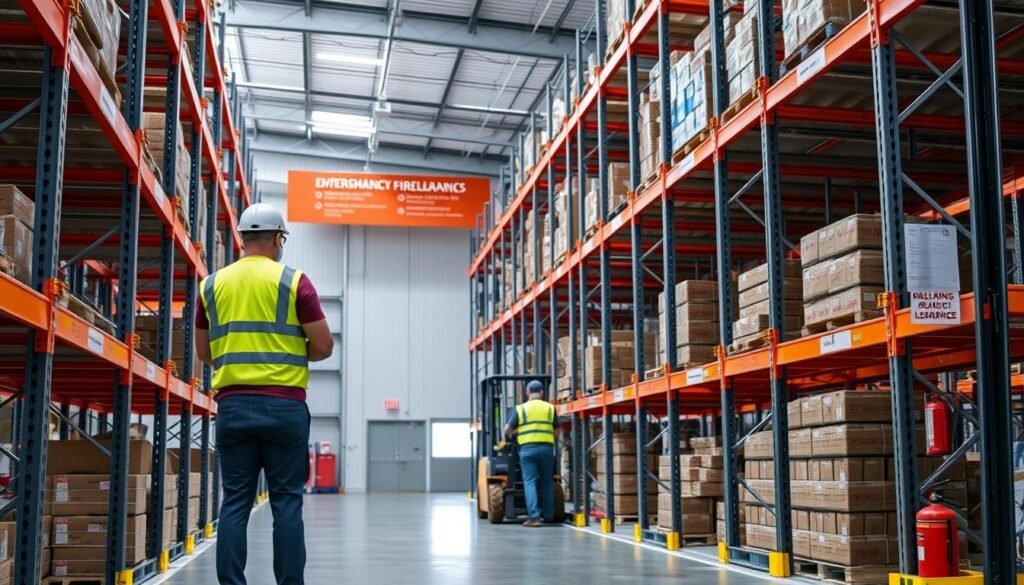
Maintaining a safe warehouse requires adherence to strict safety standards and regular compliance checks. A safe working environment not only protects employees but also enhances operational efficiency.
OSHA Guidelines
The Occupational Safety and Health Administration (OSHA) sets forth guidelines that warehouses must follow to ensure a safe working environment. These guidelines include proper training for employees handling rack system accessories and pallet rack hardware, as well as regular inspections to identify potential hazards.
OSHA compliance is crucial for avoiding fines and penalties, but more importantly, it ensures that warehouses operate safely, reducing the risk of accidents and injuries.
Importance of Regular Inspections
Regular inspections are a critical component of maintaining warehouse safety. These inspections help identify potential issues with pallet rack hardware and other equipment before they become major problems.
A well-structured inspection schedule can help prevent accidents and ensure that the warehouse remains compliant with safety standards.
| Inspection Frequency | Components to Inspect | Benefits |
|---|---|---|
| Daily/Weekly | Rack system accessories, pallet rack hardware | Early detection of potential hazards |
| Monthly/Quarterly | Warehouse flooring, storage conditions | Prevention of accidents and damage |
| Annually | Entire warehouse infrastructure | Comprehensive safety assessment |
By adhering to OSHA guidelines and conducting regular inspections, warehouses can significantly reduce the risk of accidents and maintain a safe working environment for their employees.
How to Optimize Your Warehouse Layout
Effective warehouse layout optimization involves strategic space planning and efficient workflow design. A well-organized warehouse not only enhances productivity but also reduces operational costs.
Space Planning
Space planning is critical in warehouse optimization. It involves maximizing the use of available space to store inventory efficiently. Utilizing industrial shelving accessories can significantly enhance storage capacity. For instance, adjustable shelving units can be tailored to fit various product sizes, ensuring that vertical space is fully utilized.
When planning the space, consider the types of products stored and their accessibility requirements. High-demand products should be placed in easily accessible areas, while less frequently accessed items can be stored in more remote locations.
Workflow Efficiency
Workflow efficiency is another crucial aspect of warehouse optimization. It involves designing the layout to minimize travel time for employees and maximize picking efficiency. This can be achieved by strategically placing warehouse rack components to create clear pathways and reduce congestion.
A well-designed workflow also considers the receiving, storage, and shipping processes. For example, a layout that allows for a smooth transition from receiving to storage and then to shipping can significantly streamline operations.
| Aspect | Improvement Strategy | Benefit |
|---|---|---|
| Space Utilization | Use industrial shelving accessories | Increased storage capacity |
| Workflow Efficiency | Optimize warehouse rack components placement | Reduced travel time and increased productivity |
By focusing on both space planning and workflow efficiency, warehouses can achieve a more organized and productive environment. This not only enhances operational efficiency but also contributes to a safer working environment.
Customization Options for Warehouse Racks
The right customization options can transform your warehouse racks into highly efficient storage solutions. This is achieved through various pallet rack add-ons and shelving system components that cater to specific warehouse needs.
Customization is key to maximizing the potential of your warehouse racks. By incorporating adjustable shelving, you can easily adapt your storage system to different product sizes and types, enhancing flexibility and efficiency.
Adjustable Shelving
Adjustable shelving allows for the modification of shelf heights to accommodate various products, from small parts to large pallets. This flexibility is crucial for warehouses that store a wide range of items. Some benefits include:
- Efficient use of vertical space
- Easy reconfiguration as storage needs change
- Improved accessibility to stored items
Moreover, adjustable shelving can be tailored to fit specific inventory requirements, ensuring that your storage solutions grow with your business.
Color and Finish Choices
Color and finish choices for warehouse racks not only contribute to the aesthetic appeal of your warehouse but also play a role in safety and branding. By selecting specific colors, you can:
- Enhance visibility and safety within the warehouse
- Match your storage solutions to your company’s brand colors
- Create a more organized and visually pleasing environment
Additionally, certain finishes can provide extra durability and resistance to wear and tear, further extending the lifespan of your warehouse racks.
By considering these customization options, you can create a more efficient, safe, and visually appealing warehouse environment that meets your specific operational needs.
Maintaining Your Industrial Warehouse Racks
Maintaining your industrial warehouse racks is vital for maximizing their lifespan and ensuring a safe working environment. Regular maintenance not only enhances the durability of your racks but also plays a crucial role in preventing accidents and ensuring compliance with safety regulations.
Regular Maintenance Tips
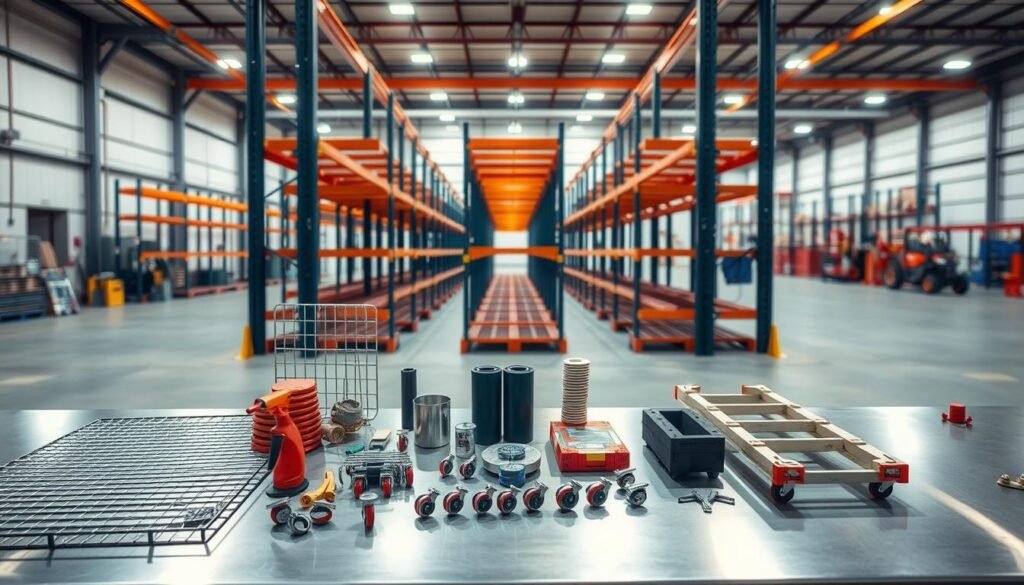
To keep your industrial warehouse racks in optimal condition, regular inspections and maintenance are necessary. Start by checking for any signs of damage or wear, such as bent or broken components. Ensure that all pallet rack accessories, like beam locks and safety pins, are securely in place.
- Inspect racks for damage after heavy use or accidents.
- Keep the warehouse floor clear of debris to prevent damage from forklift collisions.
- Tighten any loose bolts or screws on the rack system.
- Ensure that load capacities are not exceeded to prevent overloading.
Additionally, consider incorporating a routine maintenance schedule into your warehouse operations. This can include regular checks on the structural integrity of the racks and ensuring that all rack system accessories are functioning correctly.
When to Replace Racks
Despite regular maintenance, there comes a time when replacing your industrial warehouse racks is the best course of action. If you notice significant damage, such as bent uprights or beams that cannot be repaired, it’s likely time to replace the racks. Moreover, if your warehouse operations have changed significantly, you may need racks that are more adaptable or have a higher weight capacity.
Replacing your racks can also be an opportunity to upgrade to newer, more efficient systems. Consider racks with advanced pallet rack accessories that can enhance your warehouse’s efficiency and safety. Always consult with a professional to determine the best replacement options for your specific needs.
Popular Brands and Manufacturers
When it comes to industrial warehouse racks, several brands stand out for their quality and reliability. The market is filled with options, making it crucial to identify manufacturers that offer durable pallet rack parts and comprehensive warehouse storage accessories.
Notable Brands in the Market
Some of the top brands in the industrial warehouse racking sector include:
- SSI Schaefer: Known for their innovative storage solutions and comprehensive range of pallet racking systems.
- Daifuku: Offers a wide range of material handling and storage solutions, including advanced pallet racking systems.
- Kardex Remstar: Provides high-quality storage and retrieval solutions, including vertical and horizontal storage systems.
These brands are recognized for their commitment to quality, durability, and customer satisfaction, making them reliable choices for businesses looking to invest in warehouse storage accessories and pallet racking systems.
Customer Reviews and Feedback
Customer reviews play a vital role in understanding the performance and reliability of industrial warehouse racks. Many customers praise brands like SSI Schaefer for their efficient pallet rack parts and comprehensive customer service.
Feedback often highlights the importance of durability and flexibility in pallet racking systems. Customers appreciate manufacturers that offer customizable solutions and robust warehouse storage accessories.
“The team at Daifuku was instrumental in helping us optimize our warehouse layout. Their pallet racking systems have significantly improved our storage capacity.”
By considering customer reviews and feedback, businesses can make informed decisions when selecting a manufacturer for their industrial warehouse racking needs.
Case Studies: Successful Rack Implementations
By integrating well-designed pallet racking systems, numerous organizations have achieved remarkable efficiency gains. These systems are not just about storing goods; they’re about creating a streamlined process that enhances overall warehouse productivity.
Real-World Examples
Several companies have reaped the benefits of adopting industrial shelving accessories and pallet rack hardware. For instance, a leading logistics company implemented a selective pallet racking system, which allowed for better inventory management and easier access to stored goods.
Another example is a manufacturing firm that utilized cantilever racking to store long, heavy items more efficiently. This not only maximized their storage capacity but also improved safety by reducing the risk of accidents associated with improperly stored items.
Measurable Improvements
The impact of these implementations is not just anecdotal; it’s backed by measurable improvements. For example, a distribution center saw a 25% increase in storage capacity after installing a drive-in racking system. This significant boost was due to the efficient use of vertical space and the ability to store more pallets in a given area.
Furthermore, companies have reported reduced labor costs and improved order fulfillment rates thanks to the streamlined processes enabled by well-designed pallet racking systems. These improvements underscore the value of investing in the right pallet rack hardware and industrial shelving accessories.
In conclusion, the successful implementation of pallet racking systems is a testament to the potential for significant operational improvements in warehouses. By examining these case studies, businesses can gain valuable insights into how to optimize their own storage and logistics operations.
FAQs About Industrial Warehouse Racks
Industrial warehouse racks are a crucial investment for businesses looking to optimize their storage capacity. As you’ve explored the various types and benefits, you may still have questions about choosing and maintaining the right pallet racking system.
Common Questions and Answers
Some common queries revolve around pallet rack accessories, such as decking and safety bars, which can enhance storage and protect items. Warehouse rack components, including adjustable shelving options and secure fastening systems, are also frequently asked about.
For those looking to enhance their rack system, consider exploring pallet rack accessories that can improve safety and efficiency. Rack system accessories can play a significant role in customizing your warehouse racks to meet specific needs.
Expert Tips for New Buyers
When selecting a pallet racking system, consider factors like weight capacity, flexibility, and material durability. Regular maintenance is also crucial to ensure the longevity of your warehouse racks.
By understanding the various warehouse rack components and rack system accessories available, you can make informed decisions to optimize your warehouse storage.