

In warehouses and industrial settings, a reliable storage solution is crucial for efficient operations. Industrial shelving plays a vital role in maintaining organization and maximizing space.
These sturdy storage systems are designed to be durable, customizable, and efficient, making them an essential component in various industries. By providing a structured storage solution, industrial shelving units help businesses streamline their operations and improve productivity.
Key Takeaways
- Efficient storage solutions are crucial in industrial settings.
- Industrial shelving is designed to be durable and customizable.
- Proper shelving can significantly improve warehouse productivity.
- Industrial shelving units help maintain organization and maximize space.
- Customizable storage solutions cater to various industrial needs.
Understanding Industrial Shelving: What It Is and Why You Need It
Industrial shelving is a cornerstone of efficient storage solutions in various industries, from warehouses to retail environments. It provides a structured and organized way to store goods, equipment, and supplies, thereby enhancing operational efficiency.
Benefits of Industrial Shelving
The benefits of industrial shelving are multifaceted. Firstly, it significantly improves organization within a facility, making it easier for employees to locate items when needed. This, in turn, boosts productivity as less time is spent searching for misplaced goods. Moreover, industrial storage racks help in maximizing storage capacity, allowing businesses to store more items in an orderly fashion.
Another key advantage is the enhancement of safety. By keeping floors and walkways clear of clutter, warehouse shelving reduces the risk of accidents and injuries. Additionally, it facilitates better inventory management, enabling businesses to track stock levels more effectively.
Common Uses in Various Industries
Industrial shelving is utilized across a wide range of industries, including manufacturing, logistics, and retail. In warehouses, it is used to store palletized goods and materials. In manufacturing facilities, it helps in organizing raw materials and work-in-progress. Retail environments use storage shelving to stock merchandise and manage inventory.
The versatility of industrial storage racks makes them suitable for various applications, from storing heavy machinery and equipment to displaying products in a retail setting. Their adaptability to different environments and needs underscores their value in industrial and commercial settings.
Key Materials Used
The construction of industrial shelving involves various materials, each chosen for its durability and suitability for different applications. Common materials include steel, known for its strength and resistance to wear and tear, making it ideal for heavy-duty storage needs.
Other materials used include wire and wood, which offer different advantages. Wire shelving is often used in environments where visibility and airflow are important, while wooden shelving can be preferred for its aesthetic appeal and suitability for certain types of products.
Types of Industrial Shelving Systems Available
From boltless shelving to pallet racking systems, the diversity in industrial shelving solutions caters to different business requirements. The choice of shelving can significantly impact the efficiency and safety of your workspace.
Boltless Shelving
Boltless shelving is a popular choice for many businesses due to its ease of installation and flexibility. It is ideal for storing heavy items and can be adjusted to various heights. This type of shelving is particularly useful in environments where storage needs may change frequently.
Key Benefits: Easy to assemble, adjustable shelving levels, and robust construction make boltless shelving a versatile option.
Pallet Racking Systems
Pallet racking systems are designed for storing palletized goods and are commonly used in warehouses and distribution centers. They are available in various configurations, including selective pallet racking, which allows for easy access to stored items.
These systems are engineered to handle heavy loads and can be customized to fit specific storage needs.
Wire Shelving
Wire shelving is another versatile option, known for its durability and resistance to corrosion. It is suitable for storing a variety of items, from tools to inventory, and is often used in retail and industrial settings.
The open design of wire shelving allows for good visibility and easy access to stored items, making it a practical choice for many businesses.
Selective Racking
Selective racking is a type of pallet racking system that provides direct access to all stored pallets. It is highly efficient and allows for maximum storage density. This system is particularly beneficial in high-volume warehouses where quick access to inventory is crucial.
Selective racking systems are designed to be highly adaptable, accommodating various pallet sizes and weights.
Choosing the Right Industrial Shelving for Your Business
With so many options available, choosing the right industrial shelving requires careful consideration of several factors. The process involves more than just picking a shelving unit; it’s about understanding your business needs and how to best meet them with the right storage solution.
Assessing Your Space and Needs
Before diving into the world of industrial shelving, it’s crucial to assess your available space and storage needs. This involves measuring your warehouse or storage area, considering the layout, and determining what you need to store. Accurate measurements are key to ensuring that the shelving you choose fits perfectly and maximizes your space.
Understanding your storage requirements is also vital. Consider the types of items you need to store, their size, and how often they are accessed. This information will help you decide on the most appropriate shelving system. For instance, if you need to store heavy pallets, a pallet racking system might be the most suitable.
“The right shelving solution can transform your warehouse, making it more efficient and improving productivity.” – Warehouse Efficiency Expert
Weight Capacity Considerations
Another critical factor is the weight capacity of the shelving. Industrial shelving is designed to hold varying weights, from light tools to heavy machinery. It’s essential to choose shelving that can safely support the weight of your stored items to prevent accidents and ensure longevity.
| Shelving Type | Weight Capacity | Typical Use |
|---|---|---|
| Wire Shelving | Light to Medium | Storage of tools, parts, and inventory |
| Pallet Racking | Heavy to Very Heavy | Palletized storage for warehouses |
| Boltless Shelving | Medium to Heavy | Flexible storage for various industries |
Customization Options
Customization is a significant advantage when it comes to industrial shelving. Many suppliers offer customization options to fit your specific needs, including adjustable shelving heights, additional storage accessories, and more. Tailoring your shelving system to your exact requirements can significantly enhance your storage capabilities.
When exploring customization options, consider what features will benefit your operation the most. Whether it’s adding dividers, bins, or labels, the right accessories can make a substantial difference in efficiency and accessibility.
By carefully assessing your space and needs, considering weight capacity, and exploring customization options, you can select the ideal industrial shelving for your business. This thoughtful approach ensures that your storage solutions are not only effective but also safe and adaptable to your evolving needs.
Installation Tips for Industrial Shelving
To ensure your industrial shelving serves its purpose effectively, follow these installation tips.
Tools You’ll Need
Before starting the installation process, it’s essential to have the right tools. These typically include a drill, level, tape measure, and socket wrench. Having a sturdy ladder or step stool is also crucial for safely accessing high shelves.
Key Tools:
- Drill
- Level
- Tape measure
- Socket wrench
- Ladder or step stool
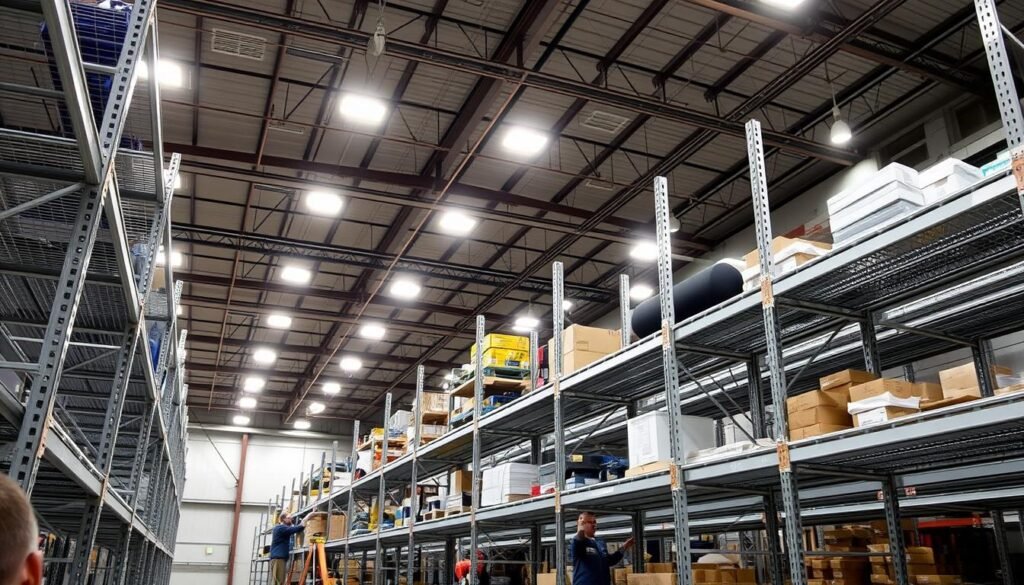
Step-by-Step Installation Guide
Follow these steps to install your industrial shelving:
- Prepare the site: Clear the area of any debris and ensure the floor is level.
- Assemble the shelving units according to the manufacturer’s instructions.
- Position the shelving units in the desired location, ensuring they are spaced correctly.
- Use a level to ensure the shelving is perfectly horizontal.
- Secure the shelving to the floor or wall as recommended by the manufacturer.
Safety Precautions
Safety should be your top priority during installation. Always wear protective gear, such as gloves and safety glasses. Ensure that the area is well-ventilated and free from hazards. When working at heights, use appropriate fall protection equipment.
Important Safety Measures:
- Wear protective gear (gloves, safety glasses)
- Ensure good ventilation
- Use fall protection equipment when working at heights
Maintenance of Industrial Shelving
To ensure your industrial shelving remains safe and functional, regular maintenance is crucial. This involves a combination of regular inspections and proper cleaning and care practices. By maintaining your industrial shelving, you can extend its lifespan and prevent potential hazards.
Regular Inspection Practices
Regular inspections are vital to identify any damage or wear on your industrial shelving units. Check for signs of bending, rust, or corrosion, and ensure that all bolts and screws are tightened. It’s also important to inspect the shelving’s load capacity and ensure it’s not overloaded.
- Inspect shelves for damage or wear
- Check for rust or corrosion
- Verify that all bolts and screws are secure
Cleaning and Care Recommendations
Cleaning your industrial shelving regularly can help prevent the buildup of dust and debris, which can cause damage over time. Use a soft cloth and mild detergent to clean the shelves, and avoid using harsh chemicals or abrasive materials that could damage the finish.
For optimal maintenance, consider implementing a routine schedule for inspections and cleaning. This proactive approach can help you avoid costly repairs and ensure your industrial shelving remains in good condition.
- Schedule regular inspections
- Clean shelving units regularly
- Keep records of maintenance activities
Safety Standards for Industrial Shelving
Safety standards for industrial shelving are crucial for preventing accidents and ensuring compliance with regulatory requirements. Industrial shelving systems are a critical component of warehouses and industrial facilities, and their safe installation and use are paramount.
Compliance with OSHA Regulations
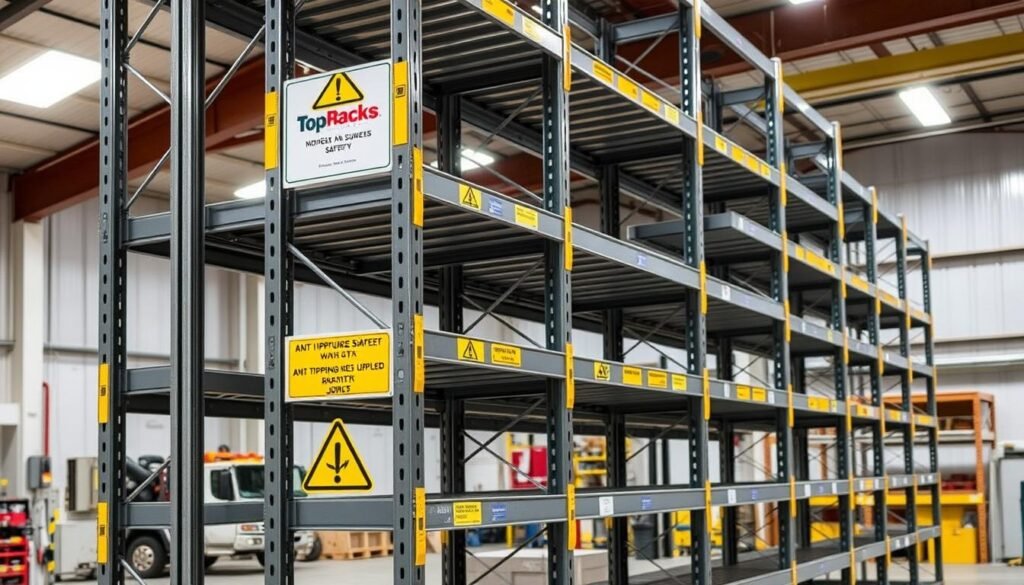
The Occupational Safety and Health Administration (OSHA) sets forth guidelines to ensure workplace safety, including standards for industrial shelving. Compliance with these regulations is not only mandatory but also essential for maintaining a safe working environment. Some key OSHA regulations include:
- Ensuring that shelving units are properly anchored to prevent tip-overs.
- Regular inspections to identify and address any damage or wear.
- Proper training for employees on the safe use and handling of shelving systems.
OSHA compliance is critical for avoiding fines and penalties, as well as for safeguarding the well-being of employees. Facilities must adhere to these standards to maintain a safe and healthy workplace.
Load Testing Guidelines
Load testing is a vital process for ensuring that industrial shelving can safely support the weight of stored items. Guidelines for load testing include:
- Conducting initial load tests after installation to verify the shelving unit’s capacity.
- Periodic re-testing to ensure ongoing safety and compliance.
- Documenting test results for future reference and compliance audits.
By following these guidelines, facilities can ensure that their industrial shelving systems remain safe and functional over time. Regular load testing helps prevent accidents caused by overloading or structural failure.
In conclusion, adhering to safety standards for industrial shelving is a multifaceted approach that includes compliance with OSHA regulations and rigorous load testing. By prioritizing these safety measures, businesses can protect their employees, inventory, and facilities.
Cost Factors in Industrial Shelving
When considering industrial shelving, understanding the cost factors is crucial. The total cost involves several elements, including the type of shelving, materials used, size, and brand. Additionally, installation and maintenance costs play a significant role in the overall expense.
Comparing Options and Brands
Different types of industrial shelving systems come with varying price tags. For instance, boltless shelving is often more affordable than pallet racking systems. The material used, such as steel or wire, also affects the cost. When comparing brands, consider factors like durability, warranty offered, and customer service. Brands with a reputation for quality may charge more but can provide long-term savings through reduced maintenance and replacement costs.
Budgeting for Installation and Maintenance
Installation costs can vary depending on the complexity of the shelving system and whether professional installation is required. It’s essential to budget for these costs upfront. Maintenance is another critical factor; regular inspections and cleaning can prevent costly repairs down the line. Consider the ease of maintenance when selecting a shelving system, and factor in any associated costs, such as replacement parts or cleaning supplies.
To effectively budget for industrial shelving, it’s helpful to:
- Research different suppliers and compare prices.
- Consider the total cost of ownership, including installation and maintenance.
- Evaluate the quality and durability of the shelving system.
- Plan for future needs and potential expansions.
Where to Buy Quality Industrial Shelving
The search for quality industrial shelving ends here, with top retailers and online platforms to consider. When it comes to buying commercial shelving, it’s not just about finding a product that fits your space; it’s about investing in a solution that enhances your operational efficiency.
Top Retailers in the United States
Several reputable retailers stand out for their quality and customer service. Some of the top names include:
- Home Depot: Known for a wide selection and competitive pricing.
- Industrial Storage Solutions: Specializes in industrial shelving with customizable options.
- Menards: Offers a variety of industrial shelving solutions with a focus on durability.
These retailers have both online and physical stores, making it easier to browse and purchase industrial shelving that suits your needs.
Online Shopping vs. In-Store Experience
The decision to shop online or in-store depends on your preferences and needs. Here are some points to consider:
- Convenience: Online shopping allows you to browse and purchase from anywhere, at any time.
- Hands-on Experience: In-store visits enable you to see and touch the products, getting a better feel for their quality.
- Customer Support: Some buyers prefer the immediate assistance available in physical stores.
As one industry expert notes, “The key to making the right purchase is balancing your needs with the benefits offered by different retailers.”
Ultimately, whether you choose to shop online or in-store, the most important thing is to select a reputable retailer that offers quality industrial shelving solutions tailored to your business needs.
Conclusion: Make the Right Choice for Your Needs
Choosing the right industrial shelving solution is crucial for optimizing your storage space and improving operational efficiency. By understanding the different types of industrial shelving systems available, assessing your specific needs, and considering factors like weight capacity and customization options, you can make an informed decision.
Key Takeaways
The key to selecting the ideal industrial shelving lies in understanding your business requirements and exploring the various options available. From boltless shelving to pallet racking systems, each type offers unique benefits that can enhance your storage capabilities.
Explore Your Options
Now that you’ve gained insight into the world of industrial shelving, it’s time to explore your options. Visit top retailers in the United States, such as Gregg Shorthand or online marketplaces, to discover the perfect industrial shelving solution for your business needs. By doing so, you’ll be able to maximize your storage potential and drive business success with the right industrial shelving.