

Maximizing storage space is crucial for businesses and individuals alike. Industrial strength shelving provides a sturdy solution for storing items in a safe and organized manner, making it ideal for warehouses, garages, and retail spaces.
Efficient storage is key to maintaining a clutter-free environment. Heavy duty storage solutions offer high weight capacity, ensuring that your items are securely stored. By investing in reliable shelving, you can optimize your storage needs and improve overall productivity.
Key Takeaways
- Industrial strength shelving provides a sturdy storage solution.
- Heavy duty storage solutions offer high weight capacity.
- Reliable shelving helps maintain a clutter-free environment.
- Efficient storage improves overall productivity.
- Heavy duty shelving is ideal for various settings.
What is Heavy Duty Shelving?
Heavy duty shelving provides a reliable and durable storage option for various industries. It is designed to store heavy items such as equipment, tools, and inventory, making it an essential component in many businesses.
Definition and Purpose
Heavy duty shelving, also known as commercial grade shelving or heavy duty metal shelving, is constructed to withstand heavy loads. Its primary purpose is to provide a sturdy storage solution that can organize and hold substantial weight, thereby maximizing storage capacity and efficiency.
Common Uses in Different Industries
Heavy duty shelving is commonly used in industries like manufacturing, logistics, and retail. In manufacturing, it stores raw materials and equipment. In logistics, it is used for inventory management, and in retail, it displays and stores merchandise.
The versatility of heavy duty shelving makes it a valuable asset across different sectors, allowing businesses to maintain organized and accessible storage systems.
Benefits of Heavy Duty Shelving
One of the most effective ways to maximize storage and improve productivity is through the use of heavy-duty shelving. By installing heavy-duty shelving, businesses and individuals can optimize their storage capacity, reduce clutter, and improve overall efficiency.
Maximizing Space Utilization
Heavy-duty shelving allows for the efficient use of available space by providing vertical storage solutions. This is particularly beneficial in warehouses and storage facilities where floor space is limited. By maximizing vertical space, businesses can store more inventory without having to expand their facilities.
| Benefits | Description |
|---|---|
| Increased Storage Capacity | Heavy-duty shelving units enable businesses to store more inventory. |
| Better Space Utilization | Vertical storage solutions maximize the use of available space. |
| Improved Organization | Heavy-duty shelving helps keep inventory organized and easily accessible. |
Enhancing Organization
Durable warehouse shelving is designed to keep inventory organized and easily accessible. By using heavy-duty shelving units, businesses can categorize their stock and ensure that items are stored in a logical and accessible manner. This not only improves productivity but also reduces the risk of inventory damage.
Improving Accessibility
Another significant benefit of heavy duty storage solutions is that they improve accessibility to stored items. With heavy-duty shelving, businesses can easily retrieve and store inventory, reducing the time spent on inventory management and improving overall operational efficiency.
By enhancing organization and improving accessibility, heavy-duty shelving provides a comprehensive storage solution that meets the needs of businesses and individuals alike.
Types of Heavy Duty Shelving
Heavy duty shelving is not a one-size-fits-all solution; it comes in multiple types to suit different needs. Understanding the various types of heavy duty shelving is crucial for selecting the most appropriate option for your specific storage requirements.
Boltless Shelving
Boltless shelving is a popular choice due to its ease of assembly and flexibility. It doesn’t require bolts, making it easy to adjust and reconfigure according to changing storage needs. This type of shelving is ideal for environments where storage requirements frequently change.
Industrial Rack Shelving
Industrial rack shelving is designed for heavy-duty applications, often used in warehouses and industrial settings. It is known for its high weight capacity and durability, making it suitable for storing heavy items and equipment.
Wire Shelving Units
Wire shelving units offer excellent ventilation and visibility, making them suitable for storing items that require airflow or need to be easily identified. They are also resistant to corrosion and can be used in environments where moisture is present.
Cantilever Shelving
Cantilever shelving is designed for storing long, heavy items such as lumber, pipes, and furniture. It features arms that extend from a central column, providing unobstructed storage for long items.
To help you better understand the differences between these types, here’s a comparison table:
| Type of Shelving | Weight Capacity | Adjustability | Common Use |
|---|---|---|---|
| Boltless Shelving | Medium to High | High | Dynamic Storage Needs |
| Industrial Rack Shelving | High | Medium | Warehouses, Industrial Settings |
| Wire Shelving Units | Medium | High | Storage Requiring Ventilation |
| Cantilever Shelving | High | Low | Storing Long, Heavy Items |
By understanding the unique features and benefits of each type of heavy duty shelving, you can make an informed decision that meets your specific storage needs.
Materials Used in Heavy Duty Shelving
The durability and strength of heavy duty shelving depend significantly on the materials used in its construction. Heavy duty shelving is typically made from either steel or wood, with each material having its unique advantages and applications.
Steel vs. Wood
Steel is the more popular choice for heavy duty shelving due to its exceptional strength, durability, and resistance to wear and tear. Heavy duty metal shelving is ideal for commercial and industrial settings where heavy loads are common. On the other hand, wood shelving offers a more traditional aesthetic and can be suitable for environments where a warmer, more natural look is desired.
However, wood may not offer the same level of durability as steel, especially under heavy loads. As John Smith, a renowned storage solutions expert, once said, “The right material can make all the difference in the longevity and performance of your shelving.”
Importance of Coating and Finishing
The coating and finishing of heavy duty shelving play a crucial role in enhancing its durability and appearance. A proper coating can protect the material from corrosion, especially in the case of steel shelving. For instance, a powder-coated finish can provide a durable and attractive surface that resists chipping and fading.
Moreover, the finishing touches can also impact the overall aesthetic of the shelving, making it more suitable for various environments, from warehouses to retail spaces. As noted by industry experts, “A well-finished shelving unit not only performs better but also adds to the overall ambiance of the space.”
- Enhances durability and resistance to corrosion
- Improves aesthetic appeal
- Provides a protective layer against wear and tear
In conclusion, the choice of material and the quality of coating and finishing are critical factors in determining the performance and longevity of heavy duty shelving. Whether you opt for commercial grade shelving made from steel or choose wood for its aesthetic appeal, ensuring that the material and finish are of high quality is paramount.
Choosing the Right Heavy Duty Shelving
The right heavy-duty shelving can transform your storage space, but it starts with making informed decisions. When it comes to selecting heavy duty shelving, several factors come into play to ensure that your choice meets your storage needs effectively.
Weight Capacity Considerations
One of the most critical factors is the weight capacity of the shelving unit. It’s essential to assess the types of items you plan to store and their total weight. Heavy duty shelving is designed to handle substantial loads, but overloading can lead to safety hazards and reduce the lifespan of the shelving.
To avoid this, calculate the total weight of the items you intend to store and choose a shelving unit with a weight capacity that exceeds this total. This ensures a margin of safety and accommodates any future additions to your stored items.
Dimensions and Space Requirements
The dimensions of the shelving unit and the space available for it are also crucial considerations. Measure the area where you plan to install the shelving, taking into account any obstacles or limitations. The shelving should fit comfortably in the space, allowing for easy access and maneuverability around it.
Consider the height, width, and depth of the shelving unit. For many users, maximizing vertical space is key to efficient storage. Ensure that the shelving you choose fits your available space while meeting your storage needs.
Style and Aesthetic Considerations
While functionality is paramount, the style and aesthetics of the heavy duty shelving should not be overlooked. The shelving should complement the surrounding environment, whether it’s a garage, warehouse, or retail space. Modern heavy-duty shelving comes in various designs and finishes, allowing you to choose a style that fits your space’s décor.
Additionally, consider any additional features you might need, such as adjustable shelves or specific types of coatings for durability. By balancing functionality with aesthetics, you can achieve a storage solution that is both practical and visually appealing.
Installation Tips for Heavy Duty Shelving
To ensure the stability and safety of your heavy-duty shelving, proper installation is crucial. This involves several key steps and considerations to guarantee that your shelving units serve their purpose effectively.
Tools Required
Before starting the installation, it’s essential to have the right tools. These typically include a drill, level, tape measure, and socket wrench. Having the correct tools on hand will streamline the process and prevent unnecessary delays.
- Drill
- Level
- Tape measure
- Socket wrench
- Pliers
Pre-Installation Planning
Pre-installation planning is a critical phase that involves assessing the site where the shelving will be installed. This includes checking the floor’s levelness, ensuring the area is clear of obstructions, and verifying that the shelving design matches the available space.
| Planning Step | Description |
|---|---|
| Site Assessment | Evaluate the installation site for any obstacles or uneven flooring. |
| Shelving Design Verification | Confirm that the shelving unit’s dimensions are compatible with the allocated space. |
Safety Precautions
Safety should always be the top priority during installation. This includes wearing protective gear, ensuring the work area is well-ventilated, and following the manufacturer’s instructions.
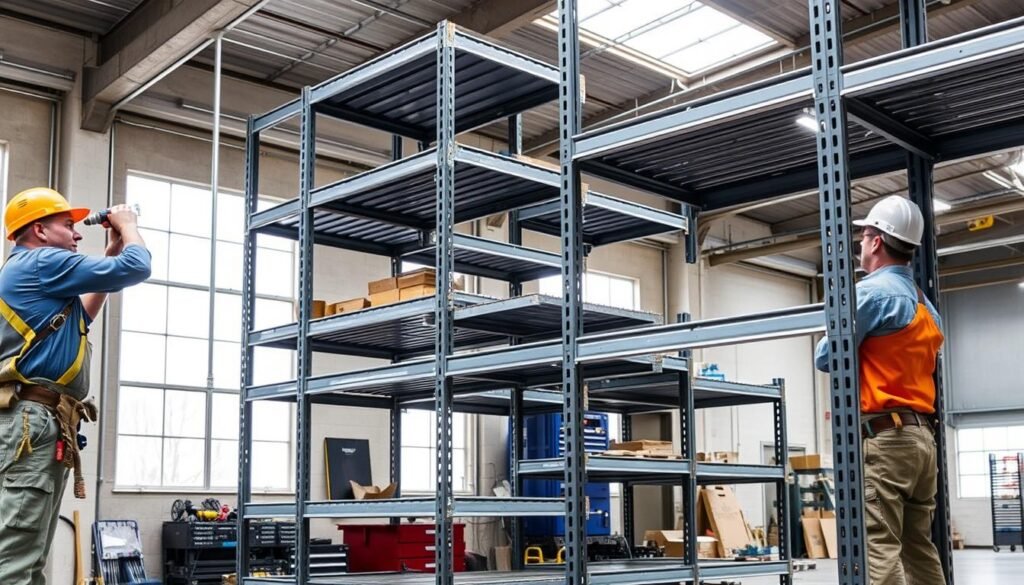
By adhering to these installation tips, you can ensure that your heavy-duty shelving is installed safely and functions as intended, providing reliable storage for your needs.
Maintenance and Care of Heavy Duty Shelving
To ensure your heavy-duty shelving remains in top condition, regular maintenance is essential. Heavy-duty shelving is a significant investment for any business or individual looking to maximize storage space. Proper care can extend its lifespan and maintain its functionality.
Cleaning Recommendations
Cleaning your heavy-duty shelving regularly is vital to remove dust, debris, and other substances that could compromise its integrity. Use a soft cloth or a brush to gently remove any particles from the shelves and frames. For more stubborn stains, a mild detergent mixed with water can be used, but ensure the shelving is dried thoroughly afterward to prevent rust or corrosion.
- Use a soft cloth or brush for dust removal.
- Avoid harsh chemicals that could damage the shelving material.
- Dry the shelving thoroughly after cleaning to prevent rust.
Inspecting for Wear and Tear
Regular inspections are crucial to identify any signs of wear and tear early on. Check for any bent or damaged frames, loose bolts or screws, and any signs of rust or corrosion. Addressing these issues promptly can prevent more significant problems from developing.
| Inspection Area | Potential Issues | Corrective Action |
|---|---|---|
| Frames and Shelves | Bends, Cracks, Rust | Repair or Replace Damaged Parts |
| Bolts and Screws | Loose or Missing Fasteners | Tighten or Replace Fasteners |
Reinforcing Stability
Ensuring the stability of your heavy-duty shelving is critical for safety and functionality. Check that the shelving unit is level and firmly anchored to the floor or wall as recommended by the manufacturer. Regularly tightening any loose parts and ensuring that the shelving is not overloaded will also contribute to its stability.
By following these maintenance and care tips, you can significantly extend the lifespan of your heavy-duty shelving, ensuring it continues to provide reliable storage solutions for your needs.
Heavy Duty Shelving for Home Use
While often associated with commercial settings, heavy-duty shelving is equally valuable for residential storage needs. Homeowners can leverage this robust storage solution to organize and declutter their living spaces effectively.
Garage and Workshop Solutions
Garages and workshops often become cluttered with tools, equipment, and other items. Heavy-duty shelving can help keep these areas organized by providing ample storage for heavy items, thus improving accessibility and safety.
By installing heavy-duty shelving units, homeowners can categorize their belongings, making it easier to locate items when needed. This not only enhances the functionality of the space but also contributes to a more efficient workflow in workshops.
Basement and Attic Storage Ideas
Basements and attics are common areas where items are stored, often resulting in clutter. Heavy-duty shelving offers a practical solution by providing sturdy storage that can handle the weight of stored items, keeping these areas tidy and organized.
Using heavy-duty shelving in basements and attics allows homeowners to maximize their storage capacity, ensuring that these spaces are utilized effectively. It also helps in maintaining the condition of stored items by keeping them off the floor and away from potential moisture or pest damage.
By incorporating heavy-duty shelving into their homes, individuals can create a more organized, clutter-free living environment. This not only improves the aesthetic appeal of the home but also enhances its functionality.
Heavy Duty Shelving for Commercial Use
Heavy-duty shelving is a cornerstone in commercial environments, providing a robust storage solution that enhances operational efficiency. Businesses across various industries rely on these shelving units to manage their inventory and supplies effectively.
Warehouse Storage Solutions
In warehouses, heavy-duty shelving plays a vital role in maximizing storage capacity. By utilizing vertical space, warehouses can store more inventory without expanding their footprint. This is particularly beneficial for businesses with limited floor space but high storage demands.
Key benefits of heavy-duty shelving in warehouses include:
- Increased storage capacity
- Improved inventory management
- Enhanced accessibility to stored items
As noted by a leading logistics expert, “The right shelving solution can transform a warehouse’s efficiency, making it easier to locate and retrieve items.“
Retail Display Options
In retail settings, heavy-duty shelving is not only used for storage but also as a display solution. Robust shelving units can be used to showcase products, creating an attractive and organized display that enhances the shopping experience.
Advantages of using heavy-duty shelving in retail include:
- Versatile display options
- Durable construction to withstand heavy use
- Easy reconfiguration to adapt to changing product displays
“A well-organized retail space can significantly impact customer satisfaction and ultimately drive sales.” This is a principle that many successful retailers adhere to when designing their store layouts.
Cost Analysis of Heavy Duty Shelving
Understanding the cost of heavy-duty shelving is crucial for making informed decisions about your storage needs. The financial investment in heavy-duty shelving can be significant, and several factors influence the overall cost.
Budgeting for Your Shelving Needs
When budgeting for heavy-duty shelving, it’s essential to consider the total cost of ownership, not just the initial purchase price. This includes:
- Material Costs: The type of material used can significantly affect the cost. For instance, steel shelving units are generally more expensive than those made from wood or wire.
- Size and Capacity: Larger shelving units with higher weight capacities cost more. Assessing your storage needs accurately can help avoid unnecessary expenses.
- Features and Customization: Additional features such as adjustable shelves, drawer units, or specialized coatings can add to the overall cost.
To budget effectively, it’s crucial to balance your needs with the cost. Consider the long-term benefits of investing in quality heavy-duty shelving, such as durability and reduced maintenance costs.
Comparing Brands and Features
Comparing different brands and their features is a vital step in finding the right heavy-duty shelving that fits your budget. Here are some factors to consider:
- Quality and Durability: Assess the build quality and durability of the shelving units. High-quality units may be more expensive upfront but can offer long-term savings.
- Warranty and Support: Look for brands that offer comprehensive warranties and customer support. This can be invaluable in case of any issues with the shelving.
- Customization Options: Some brands offer more customization options than others. If you have specific needs, consider brands that can tailor their products to your requirements.
By carefully evaluating these factors and comparing different brands, you can make an informed decision that meets your storage needs and budget constraints.
Popular Brands in Heavy Duty Shelving
Heavy-duty shelving solutions are provided by a variety of manufacturers, each with its unique strengths. Understanding these brands and their offerings is crucial for making an informed decision when selecting a heavy-duty shelving solution.
Leading Manufacturers Overview
Several manufacturers stand out in the heavy-duty shelving market for their commitment to quality, durability, and customer satisfaction. Brands like Seville Classics and EDX Storage are known for their robust and reliable shelving units. These brands have established themselves through their focus on innovation and customer needs.
Seville Classics, for instance, offers a range of shelving solutions that are not only durable but also stylish, making them suitable for both commercial and residential use. Their products are designed to withstand heavy loads, ensuring that your storage needs are met without compromising on safety.
Customer Favorites and Reviews
Customer feedback is a valuable resource when evaluating heavy-duty shelving brands. Brands that consistently receive positive reviews for their products, such as Gladiator and Rubbermaid, demonstrate a clear understanding of customer needs and preferences.
For example, Gladiator’s heavy-duty shelving units are praised for their ease of assembly and robust construction. Customers appreciate the versatility and durability of these products, making them a popular choice for garage and workshop storage.
- Key Features to Look For:
- Durability and build quality
- Ease of assembly and installation
- Adjustability and customization options
- Weight capacity and stability
By considering these factors and exploring the offerings from leading brands, you can find the perfect heavy-duty shelving solution to meet your storage needs.
Frequently Asked Questions about Heavy Duty Shelving
Heavy duty shelving is a popular solution for storage needs, but it can raise several questions and concerns. In this section, we address common concerns and provide expert tips to help you make the most of your heavy duty shelving units.
Common Concerns
One of the primary concerns when it comes to heavy duty shelving is ensuring it can support the weight of the items being stored. When selecting a heavy duty storage solution, consider the weight capacity and durability of the shelving unit. Look for units made from high-quality materials, such as steel, that can withstand heavy loads.
Expert Advice
Experts recommend regularly inspecting your heavy duty shelving units for signs of wear and tear, and reinforcing them as needed to maintain stability. Additionally, consider the dimensions and space requirements of your shelving units to ensure they fit comfortably in your available space. By choosing the right heavy duty shelving and following proper installation and maintenance procedures, you can enjoy a safe and efficient storage solution.