

Effective warehouse storage is crucial for a well-organized supply chain, enabling smooth inventory management and efficient order fulfillment. Proper commercial warehouse shelving solutions play a vital role in maximizing space utilization and improving overall productivity.
By implementing the right storage solutions, businesses can significantly enhance their inventory management processes, reduce costs, and improve customer satisfaction. A well-organized warehouse is the backbone of any successful business, allowing for streamlined operations and better resource allocation.
Key Takeaways
- Maximizing warehouse space with efficient shelving solutions
- Improving inventory management through organized storage
- Enhancing productivity with streamlined warehouse operations
- Reducing costs through effective storage and inventory management
- Improving customer satisfaction with timely order fulfillment
Why Invest in Warehouse Storage Shelves?
The right warehouse storage shelves can revolutionize your inventory management and overall business productivity. By investing in quality shelving, businesses can experience a significant transformation in their operational efficiency and storage capabilities.
Benefits of Proper Organization
Proper organization is at the heart of any successful warehouse operation. Industrial shelving units play a crucial role in maintaining an organized warehouse by providing designated storage spaces for inventory. This not only helps in reducing clutter but also ensures that items are easily accessible, thereby streamlining the picking and packing process.
Moreover, a well-organized warehouse minimizes the risk of inventory damage and loss. By utilizing heavy duty warehouse racks, businesses can securely store their inventory, reducing the likelihood of accidents and associated costs.
Increased Efficiency and Access
Efficient warehouse operations are heavily reliant on the ability to quickly access stored inventory. Strategically designed shelving systems enable workers to retrieve items rapidly, thus speeding up the fulfillment process and improving overall productivity.
Furthermore, well-designed shelving solutions can adapt to the changing needs of a business. As inventory levels fluctuate, adjustable shelving units can be reconfigured to accommodate different storage requirements, ensuring that the warehouse remains efficient and organized.
Cost-Effectiveness of Quality Shelving
While the initial investment in quality shelving may seem substantial, it proves to be cost-effective in the long run. Durable shelving solutions reduce the need for frequent replacements and minimize the risk of damage to inventory, thereby saving businesses money over time.
Additionally, efficient shelving systems can lead to reduced labor costs. By optimizing storage and retrieval processes, businesses can lower the amount of time workers spend on inventory management, allowing them to focus on other critical tasks.
Types of Warehouse Storage Shelves
Understanding the different types of warehouse storage shelves is crucial for optimizing your warehouse space. With various options available, selecting the right shelving system can significantly impact your storage capacity and operational efficiency.
Industrial Shelving Solutions
Industrial shelving solutions are designed for heavy-duty use, providing robust storage for warehouses handling large or bulky items. These shelves are typically made from steel, offering durability and strength. Steel storage shelves are particularly popular due to their ability to withstand heavy loads and harsh warehouse environments.
Heavy-Duty Racking Systems
Heavy-duty racking systems are engineered to support massive weights, making them ideal for storing heavy inventory. These systems are often customizable, allowing warehouses to maximize their vertical space and improve accessibility to stored items.
Modular and Adjustable Shelves
Adjustable storage shelving offers flexibility, enabling warehouses to adapt their storage configurations as needed. Modular shelves can be easily reconfigured or expanded, making them a versatile choice for warehouses with changing storage requirements.
The adaptability of modular and adjustable shelving systems makes them highly suitable for warehouses with diverse inventory or those experiencing growth.
Key Features to Look for in Storage Shelves
To maximize your warehouse’s storage potential, it’s essential to choose storage shelves with the right features. The effectiveness of your warehouse storage solutions depends on several factors that ensure your shelves meet your operational needs.
When selecting storage shelves, it’s crucial to consider the material used and its durability. High-quality materials can significantly extend the lifespan of your storage equipment.
Material Strength and Durability
The material strength and durability of your storage shelves are paramount. Shelves made from high-grade steel or other robust materials can withstand heavy loads and harsh warehouse environments.
Durable materials reduce the need for frequent replacements and maintenance, ultimately saving you time and money.
Weight Capacity Considerations
Understanding the weight capacity of your storage shelves is vital to ensure they can handle your inventory. Overloading can lead to structural damage and safety hazards.
Always check the manufacturer’s specifications and ensure that the shelves are designed to handle the types of loads you plan to store.
Ease of Assembly and Installation
The ease of assembly and installation of your storage shelves can significantly impact your operational efficiency. Shelves that are easy to assemble and install can save you time and labor costs.
Look for bulk storage racks that come with clear instructions and require minimal tools for assembly.
How to Choose the Right Shelving for Your Warehouse
Selecting the ideal warehouse shelving system is crucial for maximizing storage capacity and efficiency. A well-planned shelving system not only enhances the organization of your warehouse but also improves accessibility and reduces operational costs.
Assessing Your Storage Needs
Before choosing a shelving system, it’s essential to assess your storage needs. This involves evaluating the types of products you store, their volume, and how frequently they are accessed. Consider the size and weight of your inventory to determine the most suitable shelving options.
- Identify the types of products stored
- Measure the volume of inventory
- Determine access frequency
- Consider the size and weight of items
Space Planning and Layout Tips
Effective space planning is critical for optimizing your warehouse layout. Start by mapping out your warehouse space and identifying areas that can be optimized for shelving. Consider the flow of operations and ensure that shelving does not obstruct movement or create bottlenecks.
Key considerations for space planning include:
- Maximizing vertical space
- Creating aisles that are wide enough for equipment
- Positioning frequently accessed items in easily accessible locations
Understanding Shelf Heights and Configurations
Understanding the different shelf heights and configurations available is vital for optimizing storage capacity. Adjustable shelving systems offer flexibility and can be adapted to changing storage needs.
Consider the following when evaluating shelf heights and configurations:
- The height of your ceiling and how it impacts shelving
- The adjustability of shelving units
- The type of inventory and its storage requirements
By carefully assessing your storage needs, planning your warehouse layout, and understanding shelf configurations, you can choose the right shelving system for your warehouse. This not only enhances your storage capacity but also improves operational efficiency.
Safety Considerations for Warehouse Shelving
Ensuring safety in warehouses is paramount, and one crucial aspect is the proper installation and maintenance of industrial shelving units. A well-organized and safely maintained shelving system not only protects the products stored on it but also ensures a safe working environment for employees.
Weight Distribution and Load Limits
Proper weight distribution is critical to prevent shelving units from becoming unstable or collapsing. It’s essential to understand the load limits of your industrial shelving units and ensure that these limits are not exceeded. Overloading shelves can lead to accidents and damage to stored goods.
To maintain safe weight distribution, warehouses should implement a systematic approach to storing goods, considering factors like the weight and size of the items being stored.
Regular Maintenance and Inspections
Regular maintenance and inspections are vital to identify any potential issues with the shelving units before they become major problems. This includes checking for signs of wear and tear, ensuring that all components are securely fastened, and making any necessary repairs promptly.
For warehouses with pallet racking systems, like those found at Dallas Metroplex Pallet Racking, regular inspections can help prevent accidents and prolong the lifespan of the shelving.
Compliance with Safety Regulations
Compliance with safety regulations is not only a legal requirement but also a crucial aspect of maintaining a safe working environment. Warehouses must adhere to relevant safety standards and regulations regarding the installation, use, and maintenance of shelving units.
Staying informed about the latest safety guidelines and regulations can help warehouses ensure that their shelving systems meet all necessary safety standards, thereby reducing the risk of accidents and potential legal issues.
Creative Ways to Organize with Shelves
To truly optimize your warehouse, you need to think beyond basic shelving and explore creative organization techniques. One of the most effective ways to enhance your storage capacity is by utilizing heavy duty warehouse racks that can support a significant amount of weight, thereby maximizing your storage potential.
Labeling Systems for Easy Identification
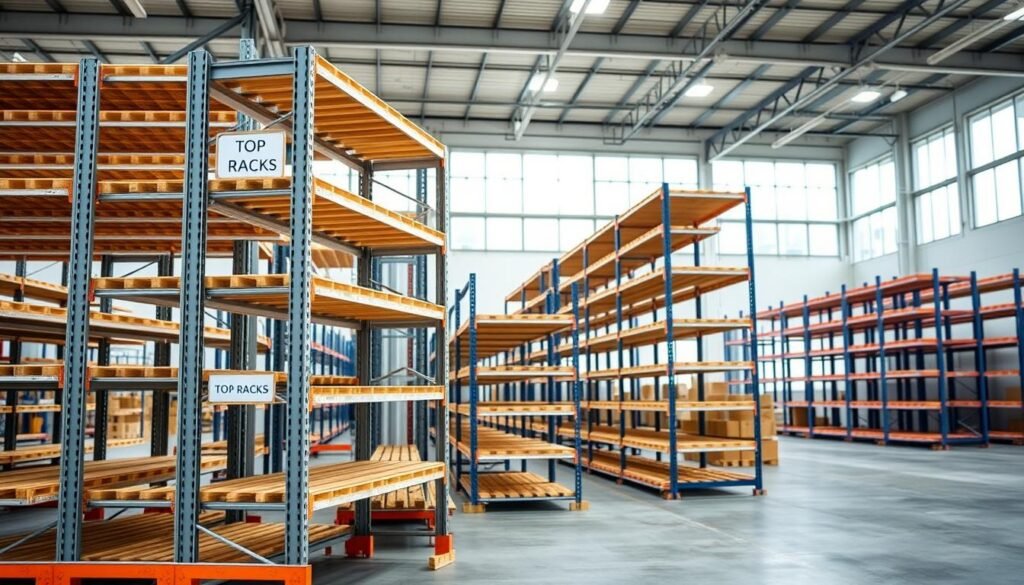
A well-organized labeling system is crucial for efficient warehouse management. By clearly labeling each shelf and section, you can ensure that items are easily identifiable, thus streamlining the picking and packing process. Consider using a color-coded labeling system to differentiate between various categories of products. This can be particularly useful when combined with adjustable storage shelving that allows you to customize the layout according to your needs.
Vertical Space Utilization Techniques
Making the most of your warehouse’s vertical space is essential for maximizing storage. Installing shelving units that reach up to the ceiling can significantly increase your storage capacity. Additionally, using stackable containers or bins on these high shelves can help keep less frequently used items stored away while keeping them accessible. This approach not only optimizes your warehouse storage shelves but also helps in maintaining a clutter-free environment.
Accessories and Add-Ons to Enhance Storage
There are various accessories and add-ons available that can further enhance your storage solutions. Drawer units, shelf dividers, and hanging organizers are just a few examples of how you can customize your shelving to better suit your storage needs. These accessories can help in organizing items more efficiently, thereby improving overall storage capacity.
| Accessory | Benefit | Best Use Case |
|---|---|---|
| Drawer Units | Provides additional storage for small parts | Ideal for storing hardware or office supplies |
| Shelf Dividers | Helps in organizing items on shelves | Useful for separating different product categories |
| Hanging Organizers | Maximizes vertical space for storage | Perfect for storing tools or equipment |
The Importance of Proper Maintenance
Maintaining your warehouse storage shelves is crucial for a safe and efficient working environment. Proper maintenance not only extends the lifespan of your steel storage shelves but also ensures that they continue to support your storage needs effectively.
Cleaning Solutions for Warehouse Shelves
Cleaning your storage shelves regularly is a fundamental aspect of maintenance. Use a mild detergent and water to wipe down the shelves, removing dust and debris that can accumulate and cause damage over time. For more stubborn stains or rust spots, consider using a specialized cleaning solution designed for steel surfaces.
- Regularly dusting the shelves to prevent buildup
- Using appropriate cleaning products for steel
- Avoiding harsh chemicals that can damage the finish
Regular Inspection Routines
Regular inspections are vital to identify any potential issues before they become major problems. Check for signs of wear, such as rust, dents, or bent frames, and address these issues promptly. Inspecting your steel storage shelves regularly can help prevent accidents and ensure compliance with safety regulations.
- Inspect the shelves for any visible damage
- Check the weight capacity and ensure it’s not exceeded
- Verify that all shelves are securely fastened
Signs of Wear and When to Replace
Knowing when to replace your storage shelves is as important as maintaining them. Signs that it’s time to replace include significant rust, structural damage, or if the shelves are no longer meeting your storage needs. Replacing old or damaged shelves can improve safety and efficiency in your warehouse.
By following these maintenance tips, you can ensure your steel storage shelves remain in good condition, supporting a safe and productive warehouse environment.
Maximizing Vertical Storage with Shelves
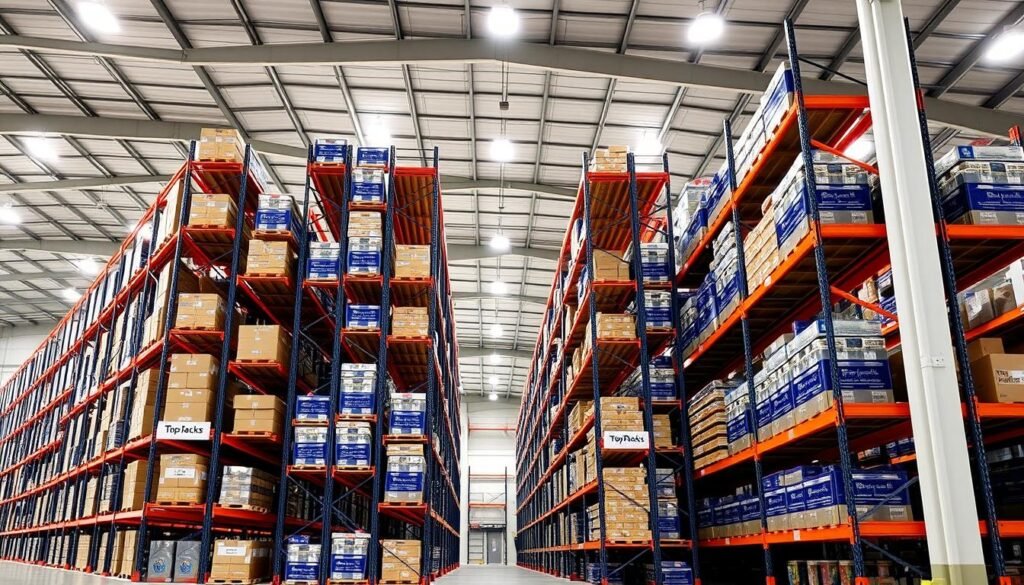
By leveraging vertical storage, warehouses can improve their overall storage capacity and efficiency. Maximizing vertical space is essential for optimizing warehouse storage solutions.
Utilizing High Ceilings Effectively
One of the most effective ways to maximize vertical storage is by utilizing high ceilings. Warehouses with high ceilings can install shelving units that reach up to the ceiling, thereby increasing storage capacity. It’s essential to choose shelving that is sturdy and can support the weight of the items being stored.
Key considerations for utilizing high ceilings include:
- Assessing the structural integrity of the building to ensure it can support heavy shelving and stored items.
- Choosing the right type of shelving that can reach high ceilings, such as cantilever or selective pallet racking systems.
- Ensuring that the shelving is installed correctly to prevent accidents and maximize storage.
Selecting the Right Ladder Solutions
Accessing high shelves safely is crucial for maintaining a productive and safe working environment. Selecting the right ladder solutions is vital for warehouses that utilize vertical storage. Options include fixed ladders, rolling ladders, and scissor lifts, each with its own advantages depending on the warehouse layout and storage needs.
The benefits of appropriate ladder solutions include:
- Increased safety for employees accessing high shelves.
- Improved efficiency in retrieving and storing items on high shelves.
- Flexibility in navigating the warehouse, especially when using mobile ladder solutions.
Advantages of Vertical Space Optimization
Optimizing vertical space in warehouses offers several advantages, including increased storage capacity, improved inventory management, and enhanced operational efficiency. By maximizing vertical storage, warehouses can reduce clutter, improve picking and packing processes, and ultimately increase productivity.
| Advantages | Description |
|---|---|
| Increased Storage Capacity | Maximizing vertical space allows for more storage, reducing the need for additional warehouse space. |
| Improved Inventory Management | Easier access to stored items improves inventory management and reduces handling times. |
| Enhanced Operational Efficiency | Streamlined storage and retrieval processes enhance overall warehouse efficiency. |
Cost Analysis: Investing in Storage Solutions
Understanding the costs associated with warehouse storage solutions is vital for making informed investment decisions. Investing in the right storage solutions can significantly impact your warehouse’s efficiency and bottom line.
Initial Costs vs. Long-Term Benefits
When considering storage solutions, it’s essential to weigh the initial costs against the long-term benefits. While high-quality storage solutions like bulk storage racks may have a higher upfront cost, they offer durability and efficiency that can lead to significant savings over time.
For instance, investing in durable shelving reduces the need for frequent replacements, thereby saving on maintenance and replacement costs. Moreover, efficient storage solutions can enhance inventory management, reducing labor costs and improving order fulfillment times.
Budgeting for Bulk Purchases
For warehouses looking to equip their facilities with storage solutions, budgeting for bulk purchases is a strategic move. Buying in bulk not only reduces the cost per unit but also ensures consistency across your storage solutions, enhancing the overall organization and efficiency of your warehouse.
When planning bulk purchases, consider the total cost of ownership, including installation, maintenance, and any potential upgrades. This comprehensive approach to budgeting helps in making a more accurate cost analysis.
Financing Options for Larger Facilities
Larger warehouses or distribution centers may require more extensive storage solutions, which can be capital-intensive. Fortunately, various financing options are available to help manage the upfront costs of these investments.
Exploring financing options such as leasing or loans specifically designed for equipment purchases can provide the necessary capital while spreading the cost over time. This approach allows businesses to invest in high-quality storage solutions without straining their cash flow.
| Financing Option | Benefits | Considerations |
|---|---|---|
| Leasing | Lower upfront costs, flexibility to upgrade | Long-term costs may be higher, potential for obsolescence |
| Equipment Loans | Ownership at the end of the term, tax benefits | Higher upfront costs, depreciation |
By conducting a thorough cost analysis and exploring financing options, warehouses can make informed decisions about their storage solutions, ensuring they maximize their investment.
Future Trends in Warehouse Storage Solutions
The future of warehouse storage is being shaped by innovative technologies and sustainable practices. As warehouses continue to evolve, understanding these trends is crucial for staying ahead of the curve.
Smart Shelving Systems and Technology
Smart shelving systems are revolutionizing warehouse storage by integrating technology into traditional shelving. These systems utilize sensors and automation to optimize storage capacity and streamline inventory management. By leveraging such advancements, warehouses can significantly enhance their operational efficiency.
Sustainable Materials and Eco-Friendly Options
Sustainability is becoming a key consideration in warehouse design and operations. The use of eco-friendly materials for shelving and storage solutions is on the rise, reducing the environmental footprint of warehouses. Exploring options like recycled materials and energy-efficient systems can contribute to a more sustainable future.
Customizable Storage Solutions
Customization is another trend gaining traction in warehouse storage. Tailoring storage solutions to specific business needs allows for more efficient use of space and improved inventory management. Companies like Top Racks Direct are at the forefront of providing customizable warehouse shelving systems that cater to diverse business requirements.
By embracing these future trends in warehouse storage solutions, businesses can optimize their operations, reduce costs, and improve their bottom line.